




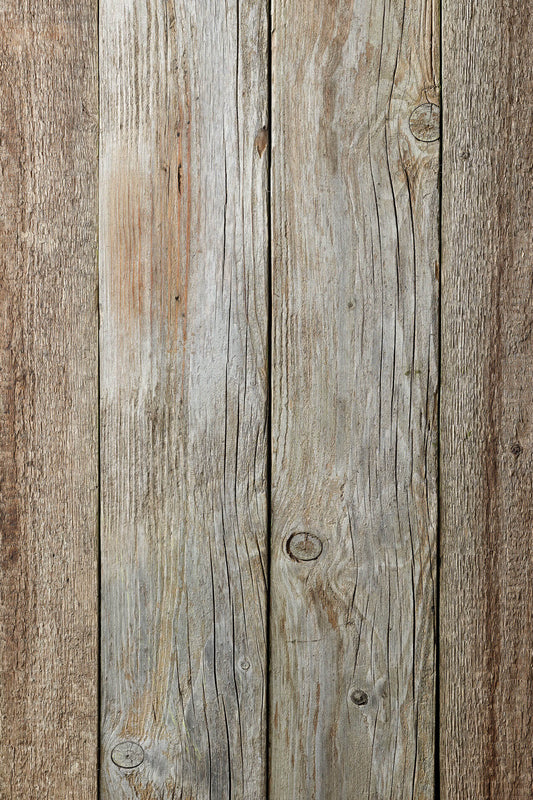



Backdrops in Food Photography: Elevating Visual Impact
Finding the right backdrop can make or break a food photograph. Professional food photographers know that backdrops act as the canvas upon which food is styled and photographed, shaping depth, texture, and the story each image tells. Selecting durable, visually engaging surfaces is crucial to creating compelling culinary narratives that resonate across American and European markets. Discover how carefully chosen materials and textures elevate your visual storytelling and set your portfolio apart.
Table of Contents
- Defining Backdrops In Food Photography
- Types And Materials Of Backdrops
- Key Features: Realism, Durability, Utility
- Backdrops’ Role In Storytelling And Branding
- Common Pitfalls And How To Avoid Them
- Alternatives And Diy Solutions Compared
Key Takeaways
| Point | Details |
|---|---|
| Backdrop Selection is Crucial | Proper backdrop choice enhances food photography by adding context and visual appeal. Select materials that complement the food rather than detract from it. |
| Diversify Backdrop Materials | Investing in a variety of backdrops contributes to creative flexibility and adaptability for different food styling scenarios. Each type offers unique textures and colors. |
| Focus on Storytelling | Backdrops play an essential role in conveying brand identity and emotional context through visual storytelling. Choose backdrops that align with the intended narrative. |
| Avoid Common Pitfalls | Be mindful of backdrop choices that may compete with the food subject, such as busy patterns or reflective surfaces. Testing backdrops under real conditions can prevent these issues. |
Defining Backdrops in Food Photography
In the visual world of food photography, backdrops are far more than simple backgrounds. These carefully selected surfaces serve as the critical canvas that elevates culinary imagery from ordinary to extraordinary. Foundational visual elements transform an average food shot into a compelling narrative that captures viewers’ attention and imagination.
Backdrops function as sophisticated storytelling platforms that influence perception, mood, and aesthetic appeal. They provide context, depth, and visual harmony to food presentations, helping photographers create images that are not just photographs, but immersive experiences. By strategically selecting textures, colors, and materials, professionals can dramatically shift how viewers interpret and emotionally connect with food imagery.
Critical characteristics of exceptional food photography backdrops include:
- Complementary color palettes that enhance food presentation
- Varied textures that add visual interest and dimension
- Neutral tones that don’t compete with the primary subject
- Durability to withstand professional styling and shooting conditions
- Versatility across different culinary genres and photography styles
Surface materials play a pivotal role in backdrop selection. Photographers often choose from options like:
- Wooden surfaces for rustic, warm aesthetics
- Stone or marble for elegant, sophisticated presentations
- Neutral fabric backdrops for minimalist compositions
- Textured vinyl for realistic, high-resolution backgrounds
A perfect backdrop doesn’t just support the food – it tells its story.
Pro tip: Invest in multiple backdrop styles to provide versatility and creative range in your food photography portfolio.
Types and Materials of Backdrops
Food photographers have an extensive array of backdrop materials to choose from, each offering unique visual characteristics and practical benefits. Common backdrop materials range from traditional surfaces like wood and marble to modern options like vinyl and textured fabrics, providing diverse creative possibilities for culinary storytelling.
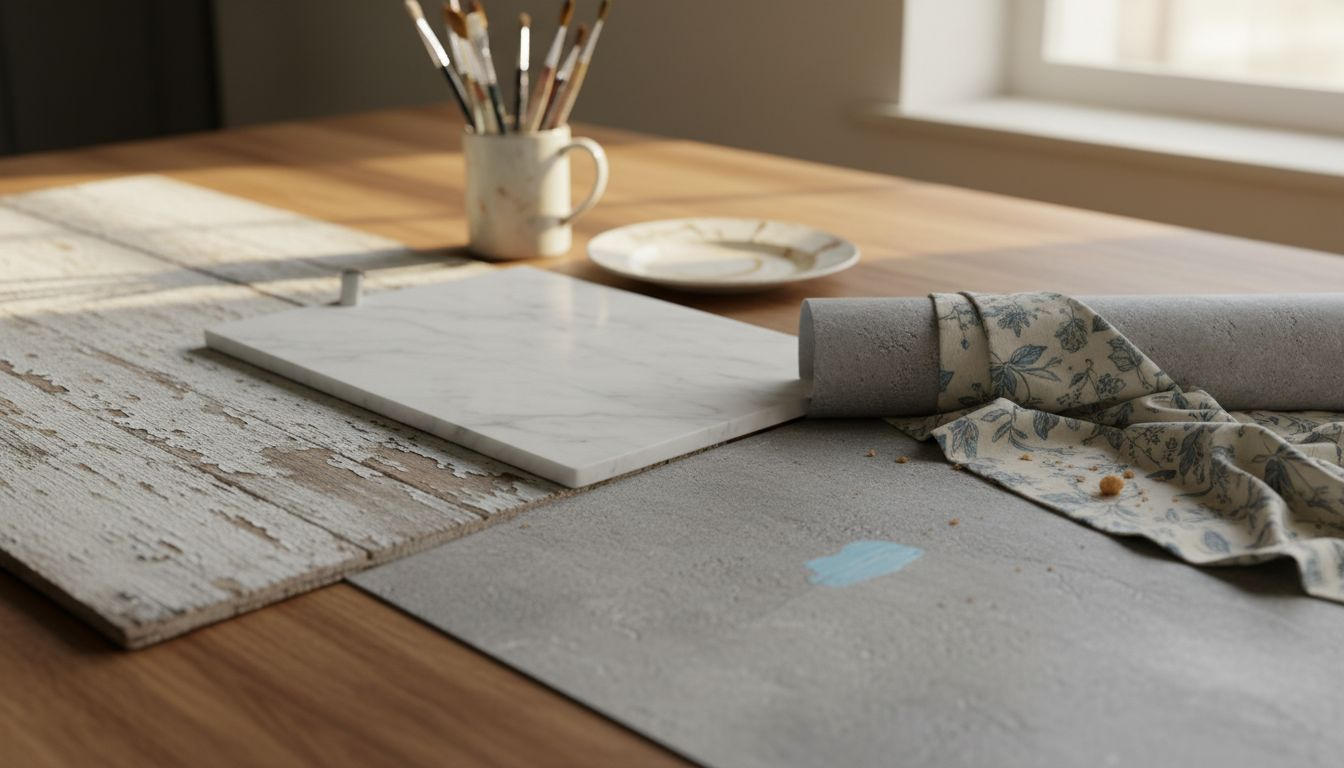
The selection of backdrop materials significantly impacts the overall aesthetic and emotional tone of food imagery. Texture, color, and reflectivity play crucial roles in determining how a backdrop interacts with the food subject. Professional photographers carefully consider these elements to create visually compelling narratives that draw viewers into the culinary experience.
Key types of backdrop materials include:
- Vinyl: Lightweight, portable, and versatile with high-resolution prints
- Wood: Provides warm, rustic textures with natural grain patterns
- Marble: Offers elegant, sophisticated surfaces with subtle reflective qualities
- Fabric: Delivers soft, matte backgrounds with subtle depth and texture
- Tile: Creates clean, hard surfaces ideal for modern and minimalist presentations
When selecting backdrop materials, photographers must evaluate several critical factors:
Here’s a concise comparison of backdrop materials, highlighting their professional uses and visual impact:
| Material | Typical Professional Use | Visual Impact | Maintenance Notes |
|---|---|---|---|
| Vinyl | Studio shoots, portable setups | Sharp, photorealistic | Easy to wipe clean |
| Wood | Rustic food styling, artisanal brands | Warm, organic textures | Needs gentle cleaning |
| Marble | Fine dining, luxury food photography | Elegant, refined look | Avoid harsh chemicals |
| Fabric | Minimalist compositions, soft images | Matte, subtle texture | Machine washable |
| Tile | Modern cuisine, clean presentations | Sleek, contemporary | Clean with mild detergent |
- Durability and ease of cleaning
- Compatibility with lighting setups
- Ability to complement different food styles
- Portability and storage requirements
- Cost and long-term investment
The right backdrop transforms a simple food photograph into a captivating visual story.
Pro tip: Invest in a diverse collection of backdrop materials to provide maximum creative flexibility and adapt to various food styling scenarios.
Key Features: Realism, Durability, Utility
Photographers demand backdrops that deliver exceptional performance across multiple dimensions, balancing aesthetic appeal with practical functionality. Critical backdrop characteristics encompass realism, durability, and utility – three interconnected qualities that determine a backdrop’s overall effectiveness in professional food photography.
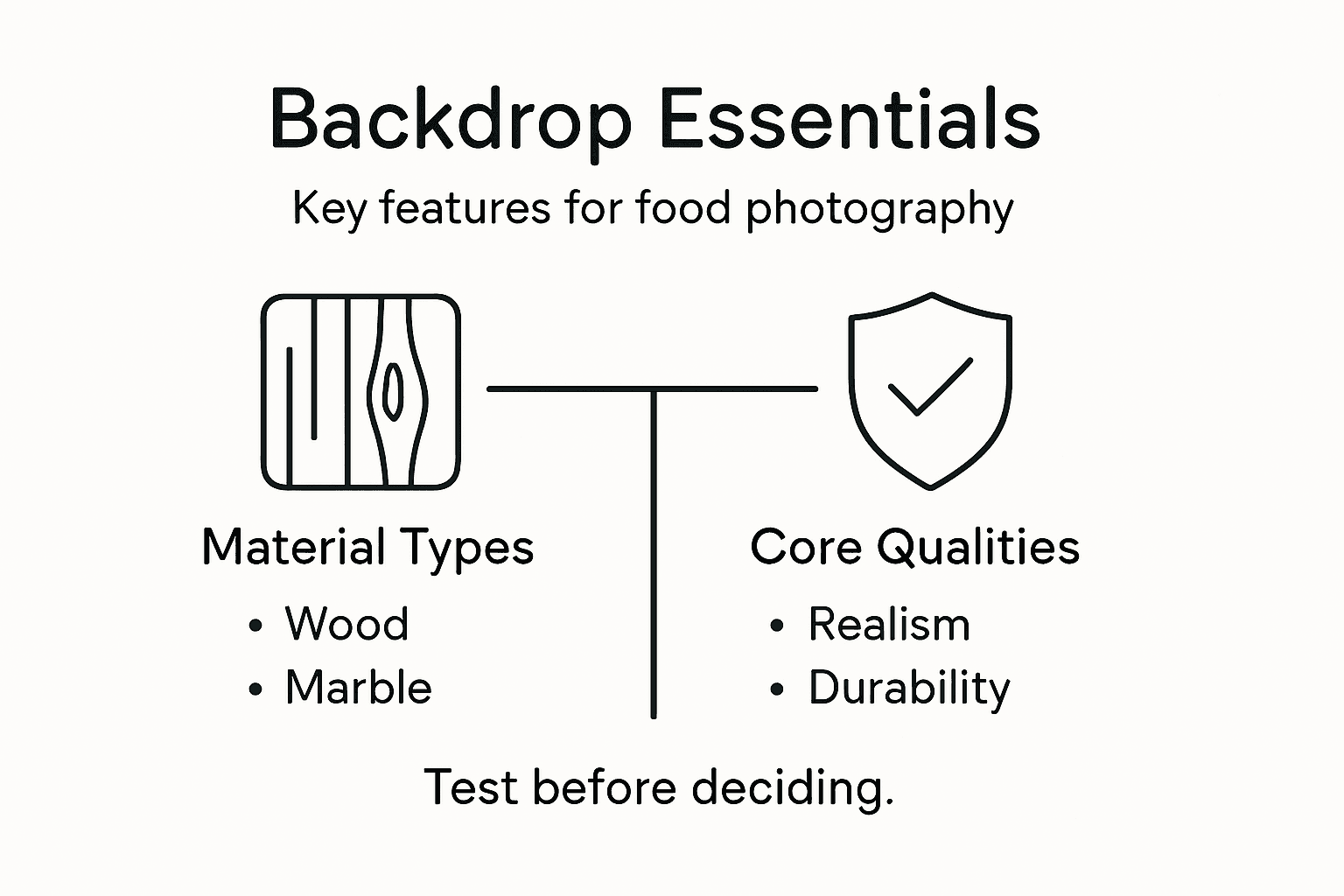
Realism represents the backdrop’s ability to complement food without overshadowing the primary subject. Natural textures, subtle color variations, and authentic surface qualities create visual depth that enhances the culinary presentation. Professional photographers seek backdrops that tell a subtle story, providing context without competing with the food’s inherent beauty.
Key performance attributes for high-quality backdrops include:
- Texture authenticity that mimics natural surfaces
- Minimal reflectivity to prevent unwanted glare
- Consistent color representation across different lighting conditions
- Resistance to stains and quick cleaning capabilities
- Lightweight and portable design for studio mobility
Durability factors photographers must consider:
- Material resistance to food stains
- Scratch and wear tolerance
- Color fade prevention
- Ease of maintenance
- Long-term performance under repeated use
A superior backdrop transforms technical limitations into creative opportunities.
Pro tip: Test backdrop materials with sample food shots to evaluate their real-world performance before making a significant investment.
Backdrops’ Role in Storytelling and Branding
Photography transforms food from mere sustenance into visual narrative, with backdrops serving as critical storytelling instruments. Visual storytelling strategies leverage backdrop selection as a powerful method to communicate brand identity, emotional context, and culinary aesthetic.
Backdrops are more than passive backgrounds – they are active participants in visual communication. Brand narrative emerges through carefully selected textures, colors, and surface qualities that subtly communicate a brand’s personality. A rustic wooden surface might evoke homemade authenticity, while a sleek marble backdrop suggests modern sophistication, allowing photographers to craft nuanced visual messages without a single spoken word.
Key storytelling elements through backdrops include:
- Conveying brand heritage and cultural context
- Establishing emotional resonance with target audiences
- Creating visual consistency across marketing materials
- Highlighting product quality and presentation
- Differentiating brand identity from competitors
Strategic backdrop selection involves understanding multiple communication dimensions:
- Color psychology and emotional triggers
- Texture’s role in perception of quality
- Alignment with target demographic preferences
- Consistency with overall brand visual language
- Adaptability across different marketing channels
Every backdrop tells a story – choose yours intentionally.
Pro tip: Develop a consistent backdrop style guide that reinforces your brand’s visual identity across all photographic content.
Common Pitfalls and How to Avoid Them
Food photography backdrops are intricate tools that can significantly enhance or dramatically undermine visual storytelling. Common photography mistakes often stem from overlooking critical details that transform good images into exceptional ones.
The most frequent backdrop blunders emerge from inadequate planning and a lack of technical understanding. Photographers frequently choose backdrops that compete with food instead of complementing it, creating visual noise that distracts from the culinary subject. Understanding these common pitfalls allows professionals to make more intentional, strategic choices that elevate their imagery.
Key backdrop selection mistakes include:
- Selecting overly busy or textured backgrounds
- Using reflective surfaces that create unwanted glare
- Mismatching backdrop colors with food presentation
- Neglecting backdrop consistency across image series
- Ignoring lighting interactions with backdrop materials
Strategies to mitigate backdrop challenges:
To help photographers avoid common errors, here’s a summary table of pitfalls and effective solutions:
| Pitfall | Impact on Imagery | Solution Approach |
|---|---|---|
| Busy/competing backgrounds | Distracts from main subject | Use subtle, neutral backdrops |
| Excessive surface reflection | Causes glare and loss of detail | Choose matte finishes |
| Clashing color choices | Undermines food appearance | Apply color theory |
| Inconsistent backdrop use | Disrupts series cohesion | Develop a style guide |
| Ignoring lighting compatibility | Creates technical challenges | Test under real conditions |
- Test backdrops under actual shooting conditions
- Use neutral, matte surfaces as default options
- Consider color theory when selecting backgrounds
- Invest in multiple backdrop variations
- Practice lighting techniques that minimize reflections
Smart backdrop selection is 50% technical skill, 50% creative intuition.
Pro tip: Create a backdrop testing workflow that systematically evaluates new backgrounds under different lighting and styling conditions.
Alternatives and DIY Solutions Compared
Food photographers seeking budget-friendly backdrop options have numerous creative alternatives to professional studio backgrounds. DIY backdrop techniques offer innovative solutions that combine cost-effectiveness with personalized artistic expression.
Do-it-yourself backdrop solutions range from simple household materials to carefully crafted custom surfaces. Homemade backdrops allow photographers to experiment with unique textures, colors, and styles without significant financial investment. These alternatives enable creative professionals to develop distinctive visual aesthetics that set their work apart from standard commercial approaches.
Popular DIY backdrop materials include:
- Painted canvas panels
- Ceramic or porcelain tiles
- Marble-effect adhesive papers
- Wooden boards with custom finishes
- Craft papers with textured surfaces
Comparative evaluation of DIY backdrop options:
- Cost efficiency versus professional alternatives
- Durability and long-term performance
- Ease of cleaning and maintenance
- Flexibility for different photography styles
- Potential for unique, personalized designs
Creativity transforms ordinary materials into extraordinary visual canvases.
Pro tip: Experiment with multiple DIY backdrop materials and document their performance to develop a personalized backdrop toolkit.
Elevate Your Food Photography with Perfect Backdrops
If you want to overcome the challenge of finding backdrops that truly enhance your food imagery without distracting from it, Instant Backdrops has the solution. The article highlights common pain points like avoiding glare, managing stain resistance, and choosing textures and colors that tell a story. Our vinyl backdrops offer ultra-realistic surfaces with built-in durability and vibrant, high-resolution prints designed to withstand oil, spills, and close-up shots. This means you can focus on creative storytelling while our backdrops provide consistent visual harmony.

Discover our extensive collections including the elegant Stone backdrops collection for product & food photography – Instant Backdrops and the versatile Aristocrat backdrop collection for product & food photography – Instant Backdrops. Whether you need a rustic touch or sleek contemporary vibes, our range fulfills diverse culinary aesthetics. Visit All product photography backdrops – Instant Backdrops now and secure premium, stain-proof, and portable backdrops that transform your food photography into captivating visual stories. Act now to elevate your portfolio with confidence at Instant Backdrops.
Frequently Asked Questions
What materials are commonly used for food photography backdrops?
Common materials for food photography backdrops include vinyl, wood, marble, fabric, and tile. Each of these offers unique textures and visual characteristics that can enhance the overall aesthetic of food imagery.
How can I select the right backdrop for my food photography?
When selecting a backdrop, consider factors such as durability, texture, color compatibility with the food, and the backdrop’s ability to complement the overall presentation without overshadowing the main subject.
What are the key characteristics of high-quality food photography backdrops?
High-quality backdrops should exhibit realism, minimal reflectivity, authenticity in texture, and ease of maintenance. They should also be durable and versatile enough to adapt to various styles and cuisines.
What common mistakes should I avoid when choosing backdrops for food photography?
Avoid selecting overly busy or textured backgrounds that distract from the food, using reflective surfaces that create glare, and mismatching colors that undermine presentation. Additionally, ensure consistency across your images and test backdrops under real lighting conditions.