




Backdrops for jewelry photography: boost quality in 2026
Selecting the right backdrop for jewelry photography isn’t just about picking a white surface and calling it done. Your backdrop choice directly shapes how light interacts with reflective metals and gemstones, influencing color accuracy, shadow control, and ultimately, whether buyers trust what they see enough to purchase. This guide walks you through materials, colors, lighting strategies, and practical setup tips that turn ordinary product shots into conversion-driving images.
Table of Contents
- Introduction To Backdrops In Jewelry Photography
- Backdrop Materials And Durability
- Backdrop Color And Lighting Impact
- Handling Reflections And Shadows
- Creative Use Of Backdrops
- Role Of Backdrops In Branding And Perception
- Innovations And Trends In Backdrops
- Impact On E-Commerce Sales
- Enhance Your Jewelry Photography With Professional Backdrops
- Frequently Asked Questions About Backdrops For Jewelry Photography
Key takeaways
| Point | Details |
|---|---|
| Material matters | Vinyl offers durability and stain resistance; satin adds luxurious texture but needs careful lighting. |
| Color impacts perception | White ensures accuracy, black creates drama, both require strategic distance and lighting control. |
| Distance reduces glare | Maintain at least 0.5 meters between jewelry and backdrop to minimize reflections and shadows. |
| Creativity supports branding | Varied textures and colors prevent repetition and strengthen brand identity across product catalogs. |
| Sales impact is measurable | Optimized backdrops can increase e-commerce conversion rates by up to 30%. |
Introduction to backdrops in jewelry photography
Jewelry photography demands more from backdrops than almost any other product category. Reflective surfaces on metals and gemstones act like mirrors, capturing every imperfection, shadow, and unwanted color cast from your backdrop and lighting setup. Over 90% of professional jewelry product photos use white or neutral backdrops requiring careful lighting to avoid shadows, yet many photographers struggle with glare and inconsistent results even when following standard practices.
The backdrop you choose directly affects how buyers perceive value, quality, and trustworthiness. A poorly selected backdrop can cheapen the appearance of real gold and diamonds, while a strategic choice elevates your images and supports higher pricing. Understanding how backdrop material, color, and texture interact with jewelry’s unique reflective properties is the foundation for creating images that sell.
This section establishes core concepts you’ll apply throughout your jewelry photography workflow:
- Backdrop material affects both visual texture and practical durability for repeated studio use
- Color choice influences lighting behavior, reflections, and accurate product representation
- Distance between product and backdrop controls shadow intensity and glare from reflective surfaces
- Texture impacts light diffusion, with matte finishes reducing unwanted reflections better than glossy options
- Strategic backdrop selection directly correlates with improved product presentation and buyer engagement
By mastering these fundamentals, you’ll gain control over variables that separate amateur snapshots from professional imagery. The right backdrop doesn’t just support your jewelry; it enhances every detail buyers need to see before committing to purchase. For broader inspiration on backdrop applications, explore photography backdrop ideas for pros to see how professionals leverage backdrop variety across photography niches.
Backdrop materials and durability
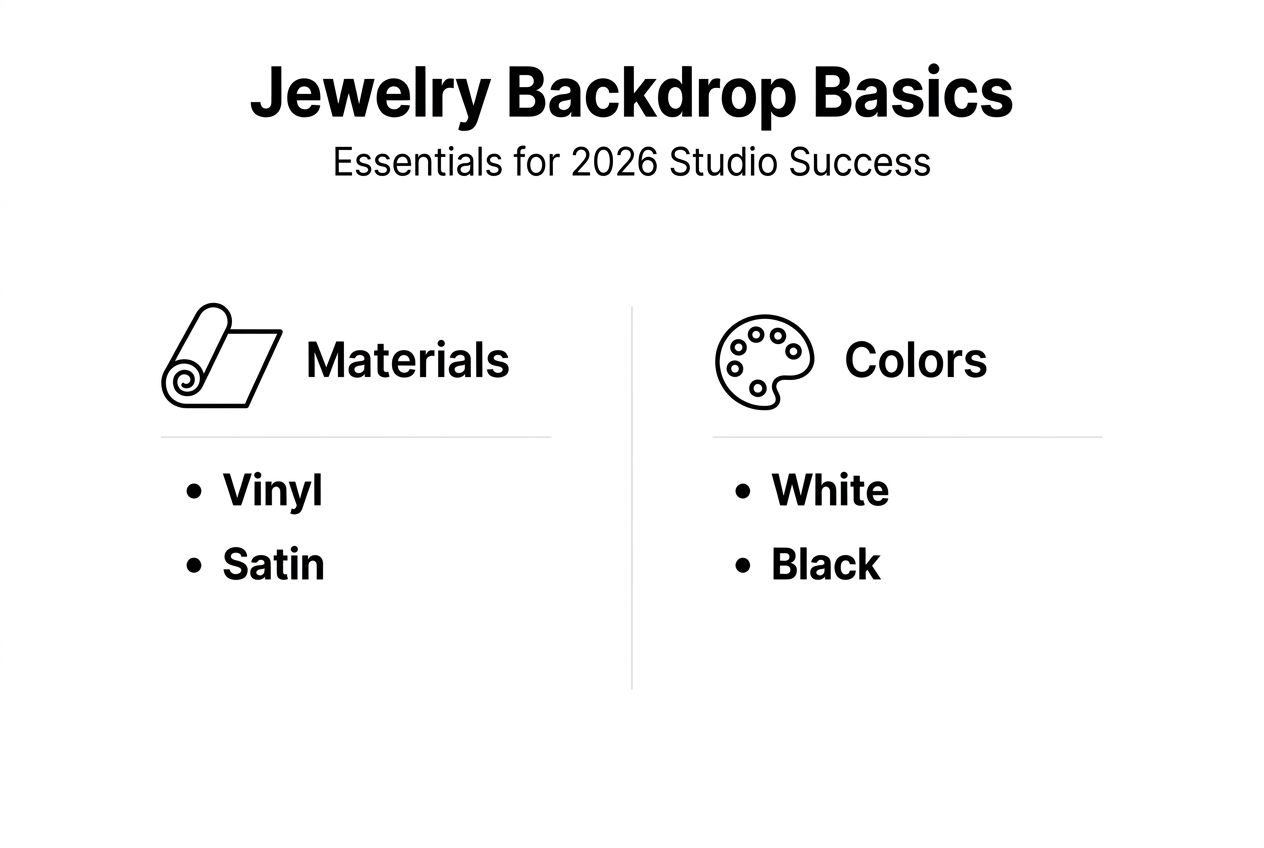
Material selection determines how your backdrop performs under studio conditions and how long it remains viable for professional use. Vinyl backdrops offer ultra-realistic textures and are stain-resistant, ideal for close-up jewelry photography where durability and cleaning ease are essential. These backdrops withstand repeated handling, resist moisture from cleaning solutions, and maintain print quality even after dozens of shoots.
Satin fabric backdrops with wrinkle resistance create a luxurious look that enhances light reflection on jewelry pieces, suitable for flat lay and close-up photography. The subtle sheen of satin adds dimension without overwhelming the product, though you’ll need to manage lighting angles carefully to prevent hotspots. Satin works beautifully for editorial jewelry shots where a softer, more organic feel complements the brand aesthetic.
Portability and ease of cleaning are critical backdrop features for jewelry photographers who conduct shoots on location or require frequent backdrop changes. Vinyl rolls up compactly for transport, while fabric options may wrinkle during travel unless packed carefully. Waterproof coatings on vinyl backdrops protect against accidental spills from cleaning solutions or jewelry polish, reducing downtime between shots.
Material choice balances aesthetic goals with practical studio needs:
- Vinyl delivers durability, waterproof protection, and realistic texture reproduction for high-volume shooting
- Satin fabric provides wrinkle resistance and a luxurious feel that complements fine jewelry branding
- Lightweight materials enable easy backdrop swaps during shoots, maintaining creative momentum
- Stain-resistant coatings reduce cleaning time and extend backdrop lifespan across hundreds of product sessions
- Portability features support on-location shoots at trade shows, retail stores, or client offices
Selecting durable materials reduces long-term costs by eliminating frequent backdrop replacements. For deeper insights into vinyl advantages, review vinyl backdrop advantages to understand how material engineering impacts professional photography workflows. Additionally, learn how vinyl backdrops and editing efficiency work together to streamline post-production and build buyer confidence through consistent image quality.
Backdrop color and lighting impact
Color choice fundamentally alters how light behaves around your jewelry, affecting color accuracy, contrast, and the visual hierarchy within each frame. A pure white backdrop is the most popular choice providing clean focus and accurate colors, but requires lighting control to prevent harsh shadows that distract from product details. White reflects maximum light back onto the jewelry, which can either enhance brilliance or create unwanted glare depending on your lighting setup.
Black backdrops enhance gemstone brilliance and minimize glare, requiring at least 0.5 meters distance to reduce reflections. Black absorbs light rather than reflecting it, creating dramatic contrast that makes colored gemstones and polished metals pop against the dark field. This distance requirement becomes critical with black backgrounds because any proximity causes the backdrop to reflect in highly polished jewelry surfaces, creating muddy, unprofessional results.
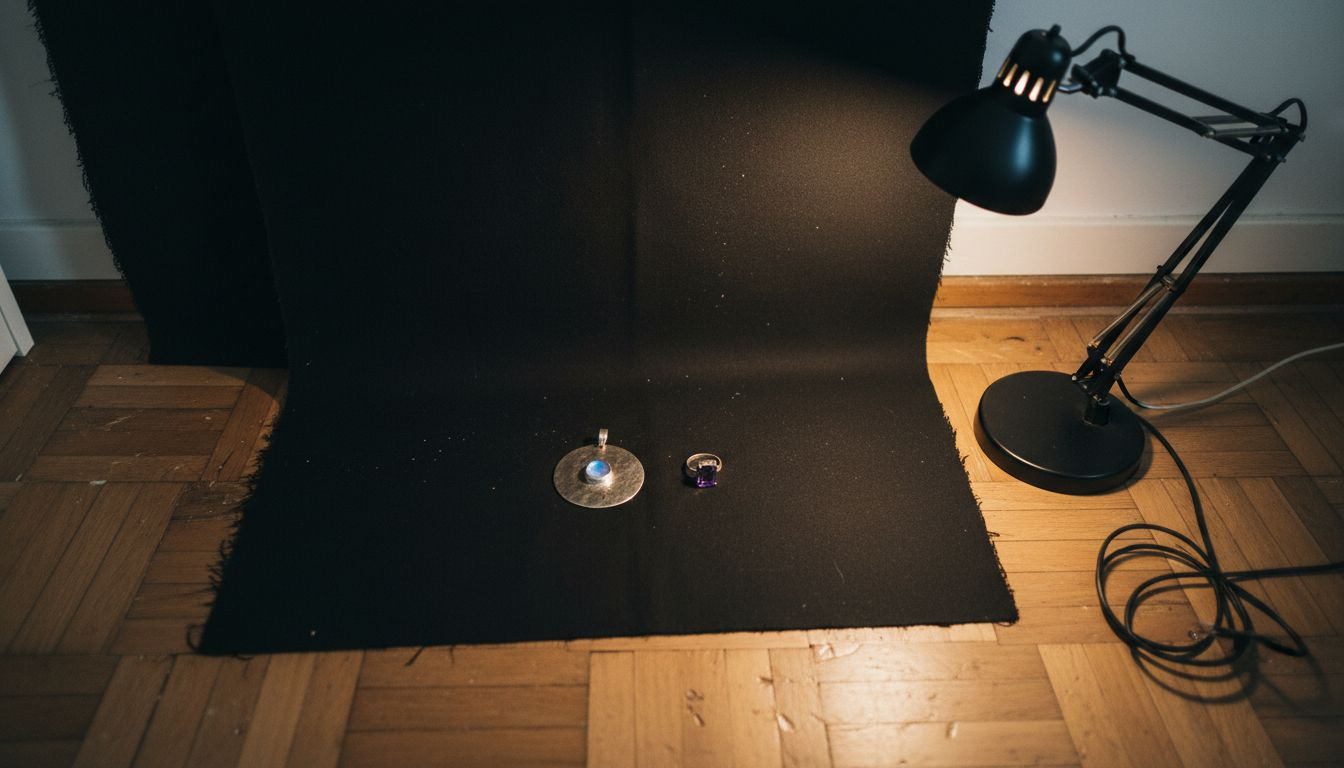
Texture plays an equally important role in managing light diffusion and reflection control. Matte finishes scatter light evenly, reducing hotspots and glare on reflective jewelry surfaces. Satin textures add subtle dimension without overwhelming the product, while glossy backdrops can create problematic reflections that require extensive post-production correction.
| Backdrop Color | Pros | Cons | Best Use Case |
|---|---|---|---|
| White | Accurate color rendering, maximum light reflection, clean e-commerce aesthetic | Requires precise lighting to avoid harsh shadows, can wash out details without proper setup | Product catalog images, Amazon listings, high-volume e-commerce photography |
| Black | Dramatic contrast, enhanced gemstone brilliance, minimized glare on metals | Needs greater product-to-backdrop distance, can absorb too much light in small studios | Editorial jewelry shots, luxury branding, colored gemstone photography |
| Neutral Gray | Balanced light reflection, reduces extreme contrast, versatile across jewelry types | Less impactful than pure white or black, may appear generic without creative composition | All-purpose studio work, mixed jewelry collections, consistent catalog imagery |
| Textured/Natural | Adds visual interest, supports brand storytelling, differentiates product images | Can distract from jewelry if texture is too prominent, requires careful composition | Lifestyle jewelry photography, social media content, artisan or handcrafted jewelry branding |
Understanding these color and texture interactions lets you predict and control how your final images will render before you even press the shutter. For practical implementation guidance, explore backdrop color and lighting tips to build a systematic approach that eliminates guesswork from your jewelry photography workflow.
Handling reflections and shadows
Reflections on polished metals and faceted gemstones create the most persistent technical challenges in jewelry photography. These reflective surfaces capture everything in the surrounding environment, including your backdrop, lighting equipment, and even your own silhouette if you’re too close. The result is often muddied details and distracting artifacts that undermine product appeal.
Using matte backdrops minimizes unwanted reflections by scattering light rather than creating mirror-like surfaces that bounce back into your jewelry. Matte vinyl or fabric finishes absorb and diffuse light evenly, reducing the intensity of reflections captured by polished jewelry surfaces. This creates cleaner, more controlled images that require less post-production correction.
Maintaining 0.5m+ distance between jewelry and backdrop significantly reduces glare from reflections. This distance allows light to diffuse before reaching the backdrop, preventing harsh reflections from bouncing directly back onto the jewelry. With reflective pieces like diamond rings or polished silver, this distance becomes even more critical, often extending to 1 meter or more for optimal results.
To systematically control reflections and shadows:
- Position your jewelry at least 0.5 meters from the backdrop, increasing distance for highly reflective pieces
- Use softboxes or diffusion panels to create even, scattered light that reduces harsh shadows
- Adjust lighting angles to direct illumination across the jewelry surface rather than straight at the backdrop
- Experiment with light intensity, dimming sources that create hotspots or excessive glare
- Add fill lights strategically to soften shadows without introducing additional reflection sources
- Test shots at different distances to find the optimal balance between backdrop separation and depth of field
Pro Tip: Start with your main light source at a 45-degree angle to the jewelry, then add fill lights incrementally while checking your camera’s LCD for unwanted reflections. Small adjustments in angle and intensity make dramatic differences in final image quality.
Controlling reflections and shadows transforms technically challenging jewelry pieces into clear, appealing product images. For comprehensive setup techniques, review backdrop setup tips to build efficient workflows that consistently deliver professional results across varied jewelry types.
Creative use of backdrops
Repetitive backgrounds create visual monotony that reduces buyer engagement across your product catalog. Using a variety of backdrop textures and colors reduces background repetition and supports brand storytelling by introducing visual variety that keeps potential customers browsing longer. Each backdrop choice communicates subtle messages about your brand’s aesthetic, whether minimalist and modern or rich and traditional.
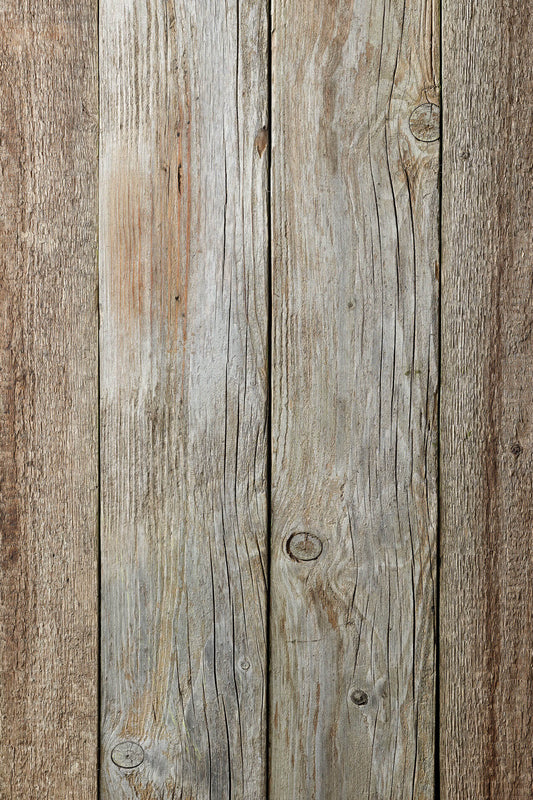
Incorporating backdrop elements that complement brand aesthetics strengthens recognition and differentiates your jewelry from competitors using generic white backgrounds. A marble texture might communicate luxury and permanence, while weathered wood suggests artisan craftsmanship and organic origins. These visual cues work subconsciously on buyers, influencing perceived value and purchase decisions.
Multiple backdrop kits with double-sided patterns increase flexibility without requiring extensive storage space. A single reversible backdrop provides two distinct looks, letting you quickly shift between clean minimalism and textured interest within the same shooting session. This versatility proves especially valuable when photographing diverse jewelry collections that span different style categories.
Creative backdrops contribute to stronger buyer recognition by establishing consistent visual themes across your brand’s photography. When customers see your distinctive backdrop style repeated across products, they begin associating that aesthetic with your brand identity. This visual consistency builds trust and makes your products instantly recognizable in crowded marketplaces.
Balance creativity with professional consistency:
- Introduce varied textures across your product line while maintaining a cohesive color palette
- Reserve dramatic or highly textured backdrops for feature products and hero images
- Use neutral backdrops for catalog images where product details must dominate
- Rotate backdrop styles seasonally to refresh your visual presence without confusing brand identity
- Test new backdrop styles on small product sets before committing to full catalog updates
Creative backdrop use elevates jewelry photography from purely functional to brand-building visual content. Explore creative backdrop themes to discover how strategic backdrop variety increases engagement and supports cohesive brand narratives across all customer touchpoints.
Role of backdrops in branding and perception
Backdrop choice shapes how buyers perceive luxury, quality, and trustworthiness before they even read your product descriptions. Strategic backdrop selection communicates brand values visually, influencing whether customers view your jewelry as high-end investment pieces or mass-market accessories. This perception directly affects pricing power and conversion rates across your product catalog.
Improper backdrops can downgrade perceived luxury of real gold and diamonds, impacting product value perception in ways that undermine even the finest craftsmanship. A cluttered backdrop or inappropriate texture can make genuine precious metals look cheap, while a carefully selected background elevates even modestly priced pieces. This visual alchemy proves especially critical in e-commerce environments where buyers can’t physically handle products before purchasing.
Consistent backdrop styles reinforce brand identity across product images, creating visual coherence that builds recognition and trust. When every product image shares similar backdrop characteristics, whether minimalist white, elegant marble, or warm wood tones, customers begin associating that aesthetic with your brand. This consistency signals professionalism and attention to detail that extends beyond photography into product quality expectations.
Appropriate backdrops create an elevated image that supports higher pricing by framing jewelry within aspirational contexts. A marble backdrop suggests permanence and luxury, while black velvet communicates exclusivity and sophistication. These backdrop choices work as silent salespeople, justifying premium pricing through visual presentation that matches the quality of the jewelry itself.
Strategic backdrop selection aligns visual presentation with brand narrative:
- Match backdrop textures and colors to your target customer’s lifestyle aspirations | Reserve dramatic backdrops for signature collections that command premium pricing
- Use clean, neutral backdrops for value-oriented product lines where price competitiveness matters most
- Maintain consistent backdrop themes across product categories to strengthen brand recognition
- Update backdrop styles gradually to evolve brand perception without alienating existing customers
Your backdrop choices tell a story about who you are as a jewelry brand and who your ideal customers are. For guidance on selecting backdrop styles that align with specific brand identities, review backdrop styles for branding to see how visual consistency builds brand equity through strategic photography decisions.
Innovations and trends in backdrops
The jewelry photography landscape in 2026 reflects rapid technological advancement and evolving aesthetic preferences. AI-generated minimalist backgrounds eliminate shadows and reflections automatically, reducing setup and editing time by approximately 40%. These tools analyze jewelry characteristics and generate optimized backgrounds that maintain focus on product details while ensuring consistent lighting and color accuracy across entire product catalogs.
Gradient backgrounds have gained popularity for adding subtle dimension without distracting from jewelry details. These smoothly transitioning color fields create visual interest while maintaining the clean aesthetic e-commerce platforms favor. Gradients work especially well for jewelry with complex details, providing enough backdrop variety to prevent flatness while avoiding textures that compete for viewer attention.
Natural textures continue trending as photographers seek authentic, organic aesthetics that appeal to environmentally conscious consumers. Wood grain, stone, and fabric textures communicate artisan craftsmanship and sustainable values without overwhelming product features. These textures perform particularly well on social media platforms where lifestyle context matters as much as pure product representation.
Minimalist, clean backdrops remain highly preferred for e-commerce images where conversion optimization trumps artistic expression. Platforms like Amazon and Etsy reward clear, distraction-free product images with better search placement and higher conversion rates. This practical reality keeps neutral, single-color backdrops dominant despite creative trends pulling toward more complex backgrounds.
Current trends favor efficiency and versatility:
- AI tools streamline background generation and post-production, cutting editing time significantly
- Gradient backdrops add visual sophistication while maintaining focus on product details
- Natural textures appeal to consumers valuing authenticity and sustainable craftsmanship
- Minimalist backgrounds continue dominating e-commerce for their proven conversion performance
- Portable, multi-pattern backdrops enable quick style changes within single shooting sessions
These innovations reduce technical barriers while expanding creative possibilities for jewelry photographers. Stay current with emerging techniques by exploring creative backdrop setups that demonstrate how professionals integrate new technologies and trends into efficient, results-driven photography workflows.
Impact on e-commerce sales
Backdrop quality directly influences whether browsers become buyers in competitive online jewelry markets. High-quality jewelry photography with optimized backdrops can increase e-commerce conversion rates by up to 30%. This substantial impact stems from improved product clarity, enhanced perceived value, and reduced buyer uncertainty about jewelry appearance and quality.
Consistent, high-quality product images increase buyer trust by demonstrating attention to detail and professionalism. When every product image shares similar lighting, backdrop quality, and compositional standards, customers perceive the entire brand as reliable and trustworthy. This consistency proves especially valuable for jewelry purchases where buyers feel vulnerable making significant financial commitments based solely on photographs.
Better backdrops reduce post-production editing time by capturing cleaner initial images that require minimal correction. When you control reflections, shadows, and color accuracy during the shoot, you eliminate hours of tedious editing work removing distractions and correcting color casts. This efficiency lets you list products faster, maintaining inventory freshness and responding quickly to market trends.
Investing in backdrop quality delivers measurable revenue improvements beyond direct conversion rate increases. Professional product images command higher prices, reduce return rates by setting accurate expectations, and improve search placement on platforms that algorithmically favor high-quality visuals. These compounding benefits make backdrop investment one of the highest ROI decisions in jewelry e-commerce operations.
Critical Impact Points:
- Conversion rates increase up to 30% with professionally photographed jewelry using optimized backdrops
- Consistent backdrop quality builds trust that reduces purchase hesitation and cart abandonment
- Reduced editing time accelerates product listing processes, improving inventory turnover
- Higher perceived value from quality images supports premium pricing strategies
- Professional presentation reduces return rates by accurately representing product appearance
Visual presentation separates successful jewelry sellers from those struggling to gain traction in crowded marketplaces. Understanding how backdrops boost e-commerce conversions helps prioritize investments that directly impact revenue rather than marginal improvements that consume resources without delivering measurable returns.
Enhance your jewelry photography with professional backdrops
Transforming your jewelry photography starts with backdrop choices that match your quality standards and workflow demands. Professional vinyl backdrops deliver the durability, texture realism, and stain resistance this guide has shown are essential for consistent, high-quality jewelry images that convert browsers into buyers.
Discover how ultra-realistic vinyl backdrop benefits eliminate the cleaning hassles and texture limitations that compromise image quality over time. These engineered surfaces withstand repeated use while maintaining the visual fidelity your jewelry deserves, letting you focus on composition and lighting rather than backdrop maintenance.
Implement the distance, lighting, and reflection control techniques covered in this guide using professional backdrop setup tips that translate theory into practical studio configurations. These systematic approaches help you achieve studio-quality results consistently, whether you’re shooting in a dedicated space or adapting to on-location constraints.
Experience how professional backdrops boost editing efficiency and buyer trust by capturing cleaner initial images that require minimal post-production correction. This efficiency compounds across hundreds of product shots, transforming your jewelry photography from time-consuming bottleneck into streamlined competitive advantage.
Frequently asked questions about backdrops for jewelry photography
How do I clean and maintain vinyl backdrops for jewelry photography?
Wipe vinyl backdrops with a damp cloth and mild soap solution after each shoot to remove fingerprints, dust, or jewelry polish residue. Roll backdrops loosely when storing to prevent creasing, and avoid folding which can create permanent lines visible in close-up shots.
What backdrop distance prevents reflections on highly polished jewelry?
Maintain at least 0.5 meters between jewelry and backdrop as a starting point, increasing to 1 meter or more for mirror-finish metals and large gemstones. Test different distances while monitoring your camera’s LCD for unwanted backdrop reflections captured in polished surfaces.
Should I choose vinyl or fabric backdrops for professional jewelry photography?
Vinyl offers superior stain resistance, texture realism, and durability for high-volume shooting, while fabric backdrops provide softer light diffusion and portability advantages. Choose vinyl for studio work requiring consistent texture and easy cleaning, fabric for on-location shoots prioritizing lightweight transport.
How do I maintain consistent brand appearance across different backdrop colors?
Establish a core backdrop palette of 2-3 complementary colors or textures that align with your brand aesthetic, rotating these consistently across product collections. Use the same lighting setup and camera settings for all backdrops to maintain uniform exposure, color temperature, and depth of field.
Which backdrop colors work best for different jewelry types?
Use white backdrops for silver jewelry and diamonds to maximize brilliance and color accuracy. Black backgrounds enhance colored gemstones like rubies, sapphires, and emeralds by providing dramatic contrast. Neutral gray or warm wood tones complement gold jewelry by reinforcing warm metallic hues without color contamination.
Recommended
- 7 Creative Examples of Backdrop Setups for Photographers – Instant Backdrops
- Instant Backdrops for product photography
- 7 Smart Lifestyle Photography Backdrop Ideas for Creators – Instant Backdrops
- 7 Essential Examples of Backdrop Styles for Photographers – Instant Backdrops
- Product Photography Tutorial: Capture Pro-Quality Images Easily - Amateur Photographer Guide