




Product photography checklist 2026: 60% less cleanup with vinyl
Inconsistent product photos hurt e-commerce sales and waste hours of editing time. Most photographers underestimate how much their backdrop choice impacts both image quality and workflow efficiency. This comprehensive checklist focuses on backdrop selection and use, helping you achieve professional results while cutting setup and cleanup time. You’ll learn which materials, sizes, and textures work best for different product categories and how to implement a systematic approach that delivers consistent, high-quality images every time.
Table of Contents
- Selection Criteria For Product Photography Backdrops
- Backdrop Material Comparison: Vinyl, Fabric, Paper
- Checklist Steps: Using Backdrops In Product Photography Setup
- Use-Case Specific Recommendations For Backdrops
- Summary Comparison Table Of Backdrop Features And Best Uses
- Situational Recommendations: Which Backdrops To Choose For Your Shoot
- Discover Premium Vinyl Backdrops For Your Next Shoot
- Frequently Asked Questions About Product Photography Backdrops
Key takeaways
| Point | Details |
|---|---|
| Backdrop selection drives efficiency | A structured checklist centered on backdrop choice reduces post-shoot cleanup time and ensures visual consistency across all product images. |
| Vinyl outperforms alternatives | Vinyl backdrops provide superior durability and stain resistance compared to fabric and paper, making them ideal for high-volume shoots. |
| Size and texture matter | Proper backdrop dimensions and surface characteristics must align with your product category to achieve professional results. |
| Category-specific recommendations | Tailoring backdrop choices to product types optimizes both visual appeal and budget efficiency. |
| Quick reference tools | Comparison tables help you make informed decisions about backdrop features and applications. |
Selection criteria for product photography backdrops
Choosing the right backdrop starts with understanding what factors truly impact your final images. Material durability determines how long your investment lasts and whether it can withstand repeated use in demanding shoots. Stain resistance becomes critical when photographing food, cosmetics, or any products that might spill or leave residue.
Backdrop size directly affects your composition flexibility and framing options. Backdrops sized at 5x7 feet cover 95% of typical product photography setups, giving you room to experiment with angles without worrying about edges creeping into your frame. Smaller backdrops force you into tight compositions that limit creative choices.
Print resolution and texture realism separate amateur-looking shots from professional results. High-resolution prints maintain detail even in close-up shots, while realistic textures add depth and context to your products. When evaluating photography setup essentials, consider these key factors:
- Material composition affects both durability and cleaning requirements
- Surface texture influences light reflection and product presentation
- Color accuracy impacts how well your backdrop complements different products
- Portability matters if you shoot in multiple locations
- Storage requirements determine how many backdrops you can maintain
Ease of cleaning saves significant time between shoots. A backdrop that wipes clean in seconds lets you move quickly from one product to the next. Price and bundle availability affect how many backdrop options you can afford to keep in rotation, directly impacting your creative versatility and ability to match different brand aesthetics.
Backdrop material comparison: vinyl, fabric, paper
Understanding material differences helps you make informed purchasing decisions that match your specific needs. Each material offers distinct advantages and limitations that impact both your shooting process and final results.
Vinyl backdrops deliver the highest durability and stain resistance available. They handle spills, oils, and pigments without absorbing stains, making them perfect for food and cosmetic photography. Studies show a 60% reduction in cleaning time documented in mixed product photography studios using vinyl backdrops. The heavier weight keeps them flat and wrinkle-free, though this makes them less portable. Higher upfront costs pay off through years of reliable use.
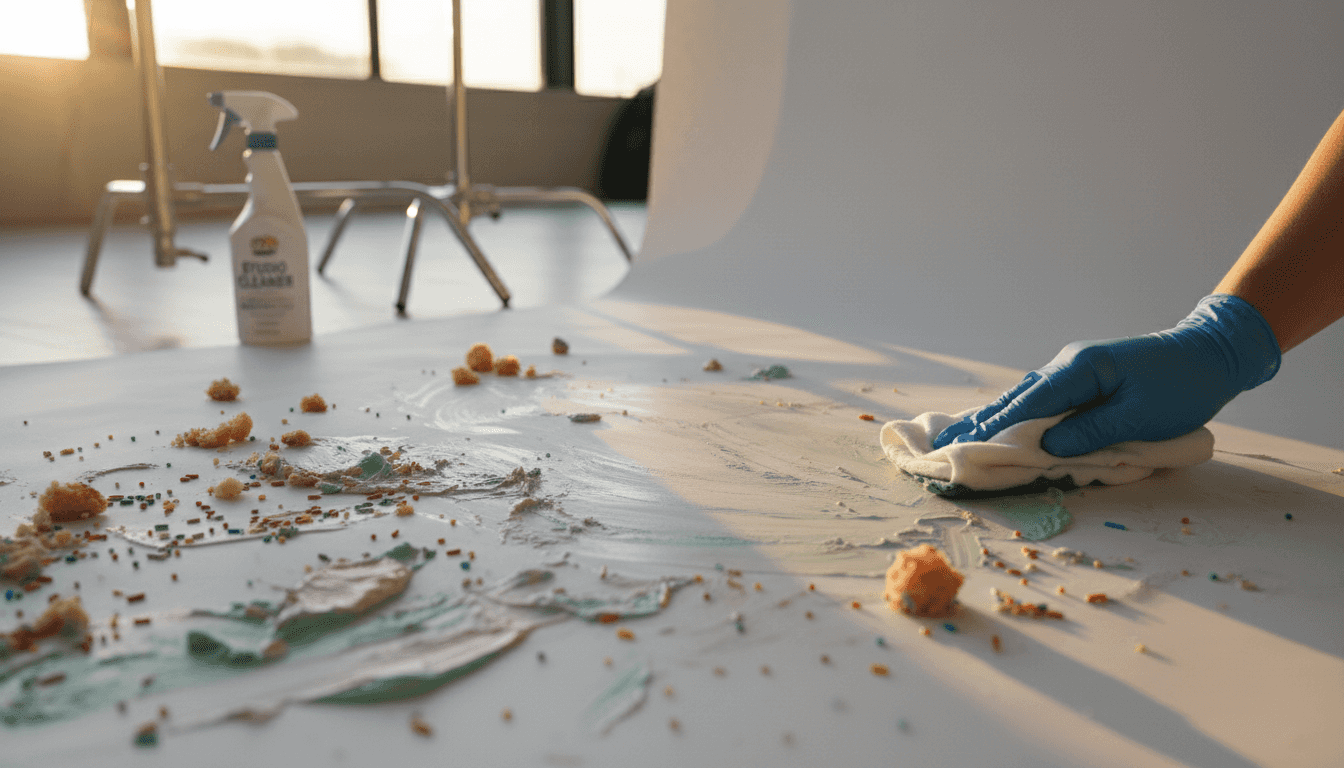
Fabric backdrops offer soft textures and lightweight portability that appeals to photographers who travel frequently. However, they wrinkle easily and require steaming or ironing before shoots. Fabric absorbs spills and stains, demanding more careful handling and frequent washing. The texture can add visual interest but sometimes creates unwanted patterns in certain lighting conditions.
Paper backdrops provide the most affordable entry point for new photographers. Their lightweight nature makes them easy to transport and hang. The downside? They tear easily, show every crease, and typically survive only one or two shoots before needing replacement. For clean, controlled shoots with gentle products, paper works fine. For anything involving liquids, oils, or frequent repositioning, paper becomes a frustrating false economy.
Pro Tip: Invest in vinyl for messy food shoots and high-volume workflows to maximize efficiency and minimize replacement costs over time.
Here’s how the materials stack up:
| Feature | Vinyl | Fabric | Paper |
|---|---|---|---|
| Durability | Excellent | Good | Poor |
| Stain Resistance | Excellent | Poor | Poor |
| Cleaning | Wipe clean | Machine wash | Replace |
| Wrinkle Resistance | Excellent | Poor | Fair |
| Weight | Heavy | Light | Very light |
| Cost | Higher | Medium | Lower |
The vinyl backdrop advantages become clear when you calculate time savings across multiple shoots. Understanding vinyl backdrops benefits helps justify the investment through reduced editing time and improved image consistency.
Checklist steps: using backdrops in product photography setup
A systematic approach to backdrop selection and use eliminates guesswork and ensures consistent results. Follow these steps for every product photography session to optimize your workflow and image quality.
- Determine your product category and typical shoot conditions before selecting a backdrop
- Choose backdrop size to fully cover your product with flexible framing options (5x7 feet minimum)
- Select texture and print resolution appropriate for your product style and brand aesthetic
- Arrange lighting angles to avoid harsh shadows while maintaining texture realism
- Secure backdrops tightly using clips or weights to prevent movement and wrinkles
- Clean backdrops before and after each shoot to maintain image consistency
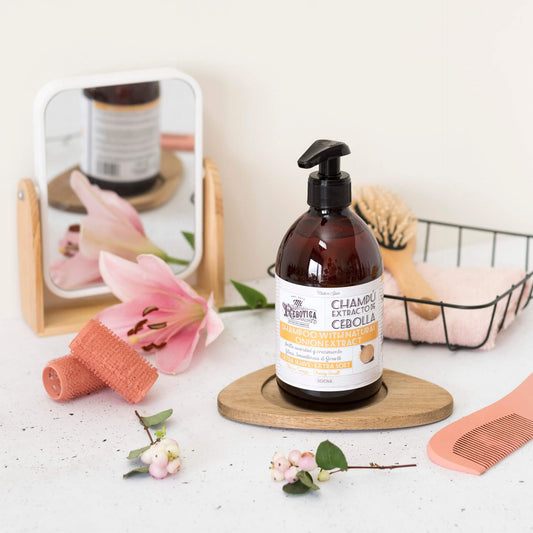
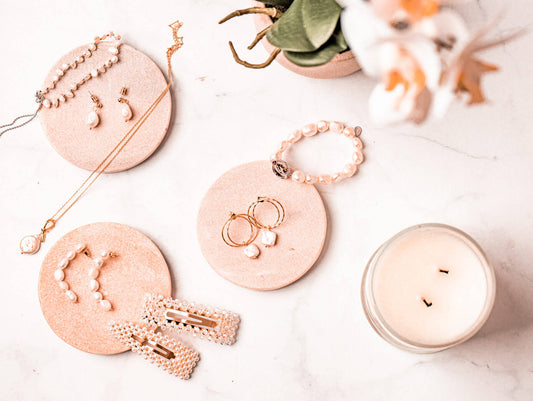
Product category drives texture choice. Jewelry demands smooth, neutral surfaces that won’t distract from intricate details. Food photography benefits from realistic marble or wood textures that add context and appetite appeal. Fashion and lifestyle products shine against textured backgrounds that suggest environment without overwhelming the main subject.
Shoot conditions determine material selection. Messy shoots with oils, liquids, or powders require stain-resistant vinyl. Clean, controlled product photography can work with fabric or paper if budget constraints matter more than convenience. Consider how often you’ll reuse the backdrop and whether cleaning time affects your production schedule.
Lighting setup interacts with backdrop texture in ways that dramatically affect your final images. Smooth surfaces reflect light more evenly but can show every imperfection. Textured backdrops hide minor flaws but require careful lighting to avoid creating unwanted shadows that compete with your product.
Pro Tip: Always test your lighting setup with the actual backdrop before starting your shoot to identify and fix shadow or reflection issues that might ruin entire batches of photos.
The backdrop setup guide provides detailed instructions for different product types. For specific applications, review food photography backdrop tips to optimize your approach. Complete your knowledge with comprehensive setup essentials that cover lighting, positioning, and camera settings.
Use-case specific recommendations for backdrops
Matching backdrop style to product category optimizes visual appeal and supports your brand message. Different products demand different aesthetic approaches, and your backdrop choice either enhances or undermines your product presentation.
Food photography thrives with marble or stone vinyl backdrops that suggest premium quality and cleanliness. These surfaces handle spills effortlessly while adding visual interest that makes food look more appetizing. The realistic texture adds depth without distracting from the main subject.
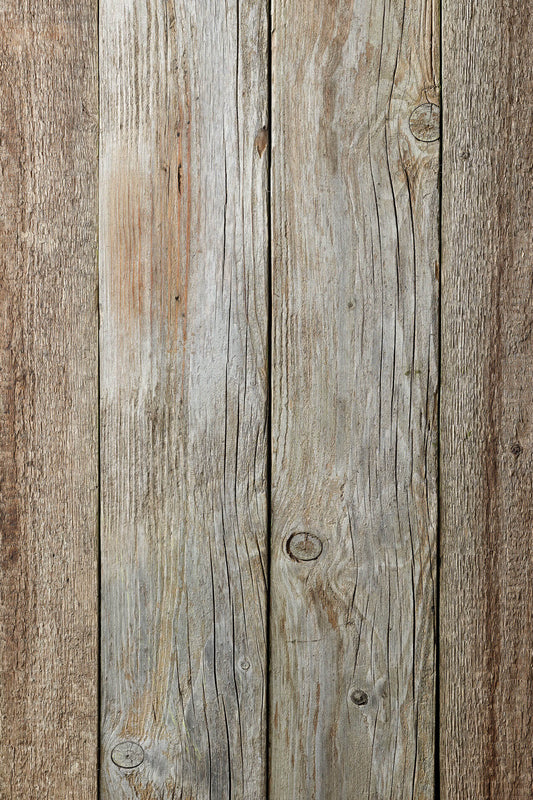
Fashion and lifestyle products benefit from wood or decorative wall designs that provide context and atmosphere. These backdrops suggest real environments where customers might use your products, helping them visualize ownership. Textured backgrounds add warmth and personality that plain surfaces can’t deliver.
Jewelry and small products demand neutral solid color vinyl backdrops that eliminate distractions. High-resolution prints ensure even close-up shots maintain clarity without revealing printing artifacts. The goal is to direct all attention to your product’s details, craftsmanship, and sparkle.
Themed backdrop collections enhance brand consistency across all your marketing images. Using coordinated backgrounds creates a cohesive visual identity that customers recognize instantly. This consistency builds trust and professionalism that generic backgrounds can’t match.
Consider these category-specific guidelines:
- Food and beverage: Marble, stone, or rustic wood textures with excellent stain resistance
- Jewelry and watches: Smooth, neutral colors in black, white, or subtle grays
- Fashion and apparel: Textured walls, wood planks, or lifestyle settings
- Cosmetics and beauty: Clean marble or minimalist surfaces that suggest luxury
- Electronics and gadgets: Modern, sleek backgrounds in neutral or complementary colors
The background types guide explores how different surfaces affect product perception. Discover more creative approaches in photography backdrop ideas that help you stand out from competitors.
Summary comparison table of backdrop features and best uses
This comprehensive comparison helps you evaluate backdrop options quickly and make informed decisions based on your specific needs and constraints. Use this table as a reference when planning purchases or deciding which backdrop to use for a particular shoot.
| Material | Durability Rating | Stain Resistance | Typical Sizes | Best Product Categories | Price Range |
|---|---|---|---|---|---|
| Vinyl | Excellent (5+ years) | Excellent | 3x5 to 8x10 feet | Food, cosmetics, jewelry, high-volume | $40 to $120 |
| Fabric | Good (2-3 years) | Poor | 5x7 to 10x12 feet | Fashion, lifestyle, portraits | $20 to $80 |
| Paper | Poor (1-5 uses) | Poor | 4x9 to 9x20 feet | Clean products, temporary setups | $15 to $50 |
| Canvas | Good (3-4 years) | Fair | 5x7 to 8x10 feet | Art, textured products, portraits | $30 to $100 |
Vinyl clearly leads in durability and maintenance convenience, justifying its higher price for professional photographers who shoot frequently. The ability to wipe clean in seconds translates to more productive shooting time and less frustration managing backdrop inventory.
Fabric works for photographers who prioritize portability and shoot primarily clean products in controlled environments. The softer aesthetic appeals to certain brand styles, though the maintenance requirements make it less practical for daily commercial use.
Paper serves budget-conscious beginners or photographers who need occasional variety without long-term investment. Understanding these tradeoffs helps you allocate your budget effectively across different backdrop types.
This visual comparison supports informed decision making by highlighting how each material performs across critical dimensions. Vinyl’s advantages become obvious when you weight factors according to your actual shooting patterns and product mix.
Situational recommendations: which backdrops to choose for your shoot
Practical buying decisions depend on your specific circumstances, budget constraints, and typical shooting conditions. These recommendations help you prioritize investments that deliver the most value for your situation.
For messy shoots involving food, liquids, or cosmetics, choose spill-proof, stain-resistant vinyl marble or stone backdrops that clean instantly. The time savings alone justifies the investment after just a few shoots. No more throwing away stained backdrops or spending hours trying to remove set-in stains.
Semi-professional photographers working within tight budgets should invest in vinyl backdrop bundles that offer variety and durability. These collections typically cost less per backdrop than individual purchases while giving you multiple aesthetic options. The durability means you’re not constantly replacing damaged backdrops, keeping long-term costs manageable.
Jewelry photography demands neutral solid-colored vinyl backdrops with high-resolution prints that maintain clarity in extreme close-ups. Any printing artifacts or color inconsistencies become glaringly obvious when you’re showcasing fine details and precious materials. Quality matters more than variety for this application.
Curated themed backdrop collections help maintain brand consistency and increase audience engagement. When customers see your products against recognizable, coordinated backgrounds, they develop stronger brand associations and trust. This consistency makes your marketing more memorable and effective.
Proper backdrop choice reduces post-shoot cleanup and editing time by 40% to 60% compared to using inappropriate materials. You spend less time fixing backdrop issues in post-production and more time actually shooting products or finding new clients.
Pro Tip: Calculate your time savings at your hourly rate to determine how quickly a vinyl backdrop investment pays for itself through reduced cleaning and editing work.
Consider these scenario-based recommendations:
- High-volume e-commerce sellers: Invest in 3 to 5 vinyl backdrops covering your most common product categories
- Occasional product photographers: Start with 1 or 2 versatile neutral vinyl backdrops and add themed options as budget allows
- Food and beverage specialists: Prioritize marble and stone vinyl textures with excellent stain resistance
- Multi-category photographers: Build a collection mixing neutral solids with 2 or 3 popular textures
Learn how themed backdrops engagement impacts customer perception and buying behavior. Discover the measurable impact in conversion boost with backdrops that shows real-world results from proper backdrop selection.
Discover premium vinyl backdrops for your next shoot
Ready to transform your product photography workflow? Instant Backdrops offers durable, high-quality vinyl backdrops specifically designed for professional e-commerce photography. Our ultra-realistic prints and stain-resistant materials handle everything from delicate jewelry to messy food shoots.
Explore expert guides on setup and backdrop use to maximize visual impact and efficiency in every shoot. Choosing the right vinyl backdrop cuts editing time dramatically while increasing customer trust through consistent, professional images that showcase your products perfectly.
Discover why pros prefer vinyl backdrops for their superior durability and realistic textures. Learn how to boost trust and cut editing time with proven techniques that elevate your product photography. Visit the Instant Backdrops website to find themed collections and bundle deals that fit your budget and branding needs perfectly.
Frequently asked questions about product photography backdrops
What size backdrop is best for product photography?
A 5x7 feet backdrop covers most product photography needs efficiently, providing enough space for flexible framing and composition without edges appearing in shots. Larger products or full-scene setups may require 8x10 feet backdrops for adequate coverage.
How do I maintain vinyl backdrops for long-term use?
Regular gentle cleaning with mild detergent and a soft cloth prevents stains and damage while preserving print quality. Wipe up spills immediately after each shoot, store backdrops flat or loosely rolled, and avoid harsh chemicals that might degrade the vinyl surface over time.
Can themed backdrops improve e-commerce sales?
Yes, themed backdrop collections boost engagement by creating consistent visual branding that customers recognize and trust. Studies show coordinated backgrounds increase perceived product value and can improve conversion rates by strengthening brand identity across all marketing channels.
Are fabric backdrops suitable for outdoor product shoots?
Fabric backdrops work outdoors but require careful handling to prevent wrinkles, dirt, and damage from wind or moisture. Secure them firmly and inspect for stains before each use, as outdoor conditions accelerate wear compared to controlled studio environments.
Is investing in vinyl backdrops worth the higher upfront cost?
For photographers handling messy shoots or high-volume product photography, vinyl saves substantial time and replacement costs over its lifespan. The durability and easy maintenance typically recover the investment within 3 to 6 months of regular use compared to replacing cheaper alternatives.
Recommended
- How to Shoot on Vinyl Backdrops for Product Photos – Instant Backdrops
- Why Vinyl Photo Backdrops Cut Editing 30% & Boost Trust 45% – Instant Backdrops
- How to Create Photography Backdrops for Pro Visuals – Instant Backdrops
- Photography Backdrop Setup Guide for Studio-Quality Shots – Instant Backdrops