





7 Essential Photography Backdrop Ideas for Pros
Selecting the best backdrop for your photography studio can feel overwhelming, especially when image quality, ease of maintenance, and creative potential are all on the line. The material, texture, and size of your backdrop make a significant difference in everything from lighting control to the final look of your photos. Without the right choices, you risk distracting creases, limited angles, and backdrops that wear out far too soon.
This guide gives you hands-on tips for picking and using durable backdrops that meet your specific needs. You’ll discover what separates a professional setup from a difficult one, plus actionable techniques for handling spills, creating realistic scenes, and extending the life of your equipment. If you want your studio shots to look clean, versatile, and truly professional, you won’t want to miss these proven strategies.
Table of Contents
- Choose The Right Material For Durability
- Select Realistic Textures For Food And Product Shots
- Use Large Backdrops For Versatile Framing
- Experiment With Themed And Decorative Designs
- Opt For Spill-Proof Backdrops In Studio Use
- Combine Multiple Backdrops For Unique Effects
- Maintain Backdrop Quality For Long-Term Use
Quick Summary
| Takeaway | Explanation |
|---|---|
| 1. Choose Durable Materials | High-density polyester and vinyl backdrops resist wrinkles and stains, saving money over time through longevity and ease of maintenance. |
| 2. Opt for Realistic Textures | Select textures like wood or marble that enhance the subject’s story and add depth without distracting from the main focus. |
| 3. Use Large Backdrops | Large backdrops (10x20 feet or bigger) provide flexibility and eliminate constraints on composition and camera angles, improving workflow. |
| 4. Combine Multiple Backdrops | Layering different backdrops creates dimension and visual interest, allowing for quick style shifts during the shoot without extensive setup changes. |
| 5. Maintain Backdrop Quality | Regular inspection and proper storage of backdrops prevent deterioration and ensure they remain effective and visually appealing over time. |
1. Choose the Right Material for Durability
Your backdrop material is the foundation of your studio setup. The right choice determines how long your backdrop lasts, how easy it is to maintain, and ultimately how your images look.
Different materials serve different purposes. Seamless paper offers smooth, distraction-free backgrounds but isn’t built to last. Fabric backdrops like polyester and muslin are washable and versatile for repeated use. Vinyl backdrops provide waterproof, spill-proof surfaces that handle messy food and product shoots without flinching.
Durable materials like high-density polyester and vinyl offer wrinkle resistance, easy cleaning, and longevity that justifies the investment. These fabrics don’t crease easily and bounce back after shoots.
Choosing the right material directly impacts image quality, lighting control, and how long your backdrop performs in your studio.
Here’s what separates professional-grade backdrops from the rest:
- Microfiber polyester blends resist wrinkles, retain color over time, and stay vibrant through countless shoots
- Thick, opaque fabrics block light effectively and deliver pure, consistent colors in your images
- Reinforced edges and stitching prevent fraying and extend the backdrop’s lifespan significantly
- Machine-washable construction means you can handle spills, dust, and stains without replacement costs
- Fade-resistant coatings keep colors accurate session after session, protecting your investment
Think about your photography style. Do you shoot messy food that needs spill protection? Vinyl is your answer. Do you photograph products frequently and need flexibility? High-quality textile fabrics deliver durability with washability. Selecting the right material depends on your specific studio needs and shooting frequency.
The cost difference between cheap and durable backdrops is real upfront. But calculate replacement costs over a year, and quality materials pay for themselves fast.
Pro tip: Check if your backdrop fabric is machine washable and rated for heat resistance before your first shoot; this single detail determines whether you can easily refresh it or need to replace it after a few months.
2. Select Realistic Textures for Food and Product Shots
Texture is what separates a flat, boring backdrop from one that tells a story. The right texture adds depth and authenticity to your images without stealing focus from your subject.
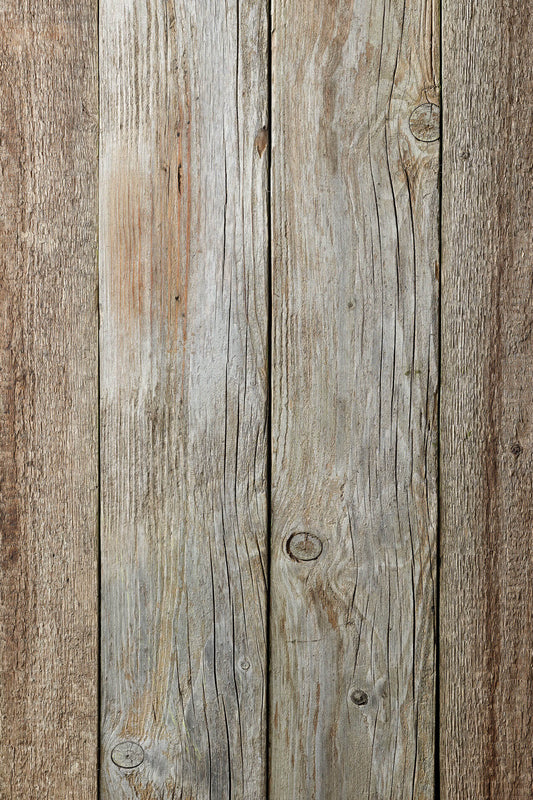
When photographing food or products, your backdrop should enhance rather than compete. Subtle, realistic textures like wood grain, marble, tile, and rustic brick create a natural setting that feels intentional. These textures ground your composition and give viewers a sense of place.
Paper or vinyl printed with patterns can work in a pinch, but physical textured backdrops deliver superior realism and tactile appeal. The depth in authentic surfaces catches light more naturally, creating dimension that printed surfaces struggle to match.
Realistic textures add depth and authenticity to your images while keeping focus on what matters most—your food or product.
Consider these texture options for different shooting scenarios:
- Wood grain works for rustic food, artisan products, and warm, inviting compositions
- Marble suits high-end product photography and adds elegance to minimalist layouts
- Tile or brick creates an industrial or vintage vibe perfect for organic or handmade items
- Concrete or stone provides neutral, contemporary backdrops for modern product shots
- Linen or fabric weaves add subtle texture without overwhelming delicate subjects
The key is choosing textures that complement your subject’s story. A crusty loaf of bread needs different texture support than a sleek skincare bottle. Your backdrop should whisper context, not shout it.
Neutral, authentic-looking surfaces work hardest for your workflow. They adapt to different lighting setups and color palettes without requiring constant backdrop swaps. This efficiency matters when you’re shooting multiple products or food items in one session.
Think about scale too. Fine, tight textures work for close-up shots where viewers see every detail. Larger patterns suit wider compositions where texture creates visual interest in the frame’s edges.
Pro tip: Test how your texture backdrop reflects light before shooting; some realistic textures absorb more light than others, requiring subtle adjustments to your lighting setup to prevent dull, flat images.
3. Use Large Backdrops for Versatile Framing
Size matters when it comes to creative flexibility. A large backdrop gives you room to move, experiment, and frame shots exactly how you envision them.
Small backdrops force you into tight compositions and limit camera angles. Large backdrops sized 10x20 feet or bigger eliminate this constraint entirely. You gain the freedom to shoot wide, shoot tight, or shift your subject anywhere in the frame without catching unwanted edges.
This flexibility transforms your workflow. You’re not repositioning your backdrop between shots or choreographing subjects around its edges. Instead, you’re moving your camera and adjusting your composition while keeping the backdrop fixed and reliable.
Large backdrops allow diverse creative shots across portrait, editorial, and commercial photography without physical repositioning constraints.
Here’s what size unlocks for your studio:
- Full-body shots become standard, not challenging
- Multi-subject compositions work seamlessly with room to spare
- Overhead angles capture products without catching the backdrop’s edges
- Wide establishing shots show context and environment naturally
- Tight product close-ups work on any section of your backdrop
- Camera movement during shoots doesn’t risk exposing the background
When you work with larger backdrop sizing, you stop fighting your equipment and start using it strategically. A 10x20 foot backdrop means you can position your subject anywhere and still have clean, consistent background no matter where your camera angle shifts.
This matters for batch shooting too. Photograph ten different products in one session without resetting your backdrop. Shoot client portraits with varied framing, all against the same professional surface. Your backdrop becomes a canvas, not a constraint.
Portability doesn’t mean you sacrifice size. Modern vinyl backdrops roll compactly and set up quickly, even in large formats. You get studio capability without studio limitations.
Think about your most common shooting scenarios. How many times have you compromised your composition because your backdrop was too small? Large backdrops eliminate that frustration.
Pro tip: Measure your studio space and shooting distance carefully before purchasing; the largest backdrop isn’t always best if it fills your entire room and limits your camera placement options.
4. Experiment with Themed and Decorative Designs
Themed backdrops transform a simple shoot into an experience. They add personality, context, and storytelling that plain backgrounds simply cannot match.
Decorative designs go far beyond neutral surfaces. Think floral prints, geometric patterns, hand-painted canvases, or artistic textures that become part of your visual narrative. These backdrops work hardest when they complement your subject rather than compete with it.
Themed backdrops serve specific purposes beautifully. Holiday motifs work for seasonal campaigns. Patterned designs suit lifestyle and branding sessions. Artistic canvases elevate editorial work. Themed photography backdrops add visual impact and personality that resonates with viewers.
Themed and decorative backdrops enhance storytelling by evoking mood and adding context that engages your audience emotionally.
Consider these design options for different shoots:
- Floral and botanical prints perfect for lifestyle, wellness, and seasonal content
- Geometric patterns ideal for modern product photography and contemporary branding
- Holiday-themed designs boost engagement for seasonal campaigns and event photography
- Artistic or painted textures elevate editorial work and high-end product shots
- Color-blocking and gradient designs add visual interest without overwhelming subjects
- Textured fabric panels create dimension and tactile appeal for fashion and lifestyle work
Themed backdrops don’t require expensive investment either. Affordable materials allow you to build custom backdrops tailored to specific clients or events. Paper flower walls, fabric panels, or streamer curtains cost far less than pre-made options while delivering unique, personalized results.
The key is matching your theme to your subject and audience. A birthday shoot needs different energy than a corporate headshot. Your backdrop choice sets the emotional tone before your subject even appears in frame.
Experimentation teaches you what works. Test different themes, color palettes, and decorative styles with your products. Notice which designs generate engagement and which feel misaligned. Your body of work guides future backdrop choices.
Remember that themed designs require thoughtful lighting. Intricate patterns catch light differently than flat surfaces. Plan your lighting setup to highlight pattern details without creating distracting shadows.
Pro tip: Invest in one versatile, high-quality themed backdrop that matches your typical client aesthetic, then experiment with affordable DIY options to test new themes before committing to premium purchases.
5. Opt for Spill-Proof Backdrops in Studio Use
Food and product photography invite spills, sauces, oils, and unexpected mess. A backdrop that can’t handle these realities becomes expensive liability instead of studio asset.
Seamless paper looks pristine but offers zero protection. One coffee spill, one splatter of cooking oil, and you’re replacing the entire backdrop. Spill-proof backdrops like vinyl and coated fabric eliminate this problem entirely.
Vinyl and coated materials resist moisture and stains, simplifying cleanup dramatically. Spills wipe away instead of soaking through. This durability transforms your studio’s efficiency and protects your investment.
Spill-proof backdrops resist moisture and stains, simplifying cleanup and prolonging usability in high-risk studio environments.
Here’s why professionals choose spill-resistant materials:
- Waterproof surfaces handle liquid spills without absorption or damage
- Stain-resistant coatings prevent oil and pigment from setting permanently
- Easy cleanup means a quick wipe and you’re ready for the next shot
- Extended lifespan saves money by eliminating frequent replacement costs
- Confidence during shoots lets you focus on composition instead of worrying about accidents
- Food photography becomes practical without constant backdrop changes
Vinyl backdrops deserve special attention for studio professionals. They’re designed for exactly this scenario. Shooting on vinyl backdrops requires minimal learning but delivers maximum protection.
Coated fabric offers similar benefits with slightly different handling. Both materials wipe clean and resist staining that would destroy paper permanently.
Think about your actual shooting reality. How many times monthly does something spill or splatter? If your answer is “regularly,” spill-proof materials aren’t optional—they’re essential infrastructure.
The cost difference between paper and vinyl is smaller than the replacement expense of paper backdrops in an active studio. Professional photographers shooting food, beverages, or cosmetics especially benefit from this protection.
Your backdrop choice directly impacts shoot speed and client satisfaction. Confident, mess-free sessions with reliable cleanup create better working conditions for everyone.
Pro tip: Keep a microfiber cloth nearby during food and product shoots; vinyl backdrops wipe clean instantly, but drying them immediately prevents water spots and keeps your surface pristine between shots.
6. Combine Multiple Backdrops for Unique Effects
One backdrop is limiting. Two or more backdrops unlock creative possibilities you haven’t imagined yet. Layering and combining backdrops creates dimension, mood, and visual interest that elevates your work.
Layering multiple backdrops adds depth without replacing your entire setup. Position a textured backdrop in front, then layer a printed backdrop behind it. The result is a rich, dimensional image with natural depth. Lighting plays across both layers, creating shadows and highlights that flatten backdrops cannot achieve.
Dual-sided backdrops offer immediate versatility. Flip one backdrop to access a neutral side and a colorful side instantly. No storage hassles or time wasted repositioning equipment. One flip transforms your entire aesthetic.
Multiple backdrop combinations provide versatility, enabling quick style shifts and creative expression while maintaining professional quality.
Explore these combination strategies:
- Textured plus printed backdrops create layered depth with visual interest
- Neutral plus bold allows fast switching between minimalist and dramatic moods
- Fabric plus vinyl overlay combines texture variety in a single shot
- Printed pattern plus solid color balances visual complexity with focus
- Sheer fabric in front softens a bold backdrop without replacing it
- Translucent overlays create mood and atmosphere while preserving backdrop details
Lighting becomes crucial when combining backdrops. Play with how light hits each layer. Backlighting one backdrop while sidelighting another creates separation and dimension. This interplay of light across multiple surfaces produces professional-quality, unique images that single backdrops cannot match.
Creative backdrop combinations enable quick style shifts between shoots. Your subject looks completely different against a new layered combination, but your setup remains stable. This efficiency matters when shooting multiple clients or product variations.
Start simple with two backdrops. Test different combinations and lighting angles. Notice which pairings create the mood you’re after. Build your collection strategically based on what works for your style.
The investment in multiple backdrops pays dividends through creative flexibility and shooting speed. You become faster at matching backdrops to subjects because options are right in front of you.
Pro tip: Invest in one collapsible dual-sided backdrop first to test the layering concept without committing to multiple purchases; this teaches you which color and texture combinations work best for your shooting style.
7. Maintain Backdrop Quality for Long-Term Use
Your backdrop is an investment that should last years, not months. Proper maintenance protects that investment and keeps your backdrops performing like new through hundreds of shoots.
Storage conditions matter enormously for backdrop longevity. Cool, dry environments prevent mold, mildew, and material deterioration. Avoid damp basements or hot attics where temperature swings damage fabric and vinyl. Your backdrop storage space deserves as much attention as your camera gear.
How you store your backdrops determines how long they last. Roll fabric and vinyl backdrops on sturdy tubes rather than folding them into creases. Hung backdrops on stands work well too, keeping them wrinkle-free and ready to deploy. Paper backdrops can stand upright or lay flat, but protect them from moisture.
Regular inspection and timely maintenance keep backdrops performing professionally for years while preventing costly replacements.
Establish a simple maintenance routine:
- Regular inspection catches damage or stains early before they worsen
- Labeling systems let you find the right backdrop instantly without rummaging
- Organized storage prevents backdrops from getting lost or damaged in your studio
- Wipe-downs after shoots remove dust, oil, and debris before storage
- Quick repairs address minor tears or stains immediately
- Climate control maintains consistent temperature and humidity levels
Cleaning frequency depends on how heavily you shoot. Proper setup and storage practices extend backdrop lifespan significantly. Vinyl backdrops wipe clean with a microfiber cloth and mild soap. Fabric backdrops often tolerate gentle machine washing depending on material. Paper backdrops require careful dusting but don’t tolerate moisture.
Inspection becomes part of your pre-shoot routine. Check for visible damage, stains, or wrinkles before setting up. Addressing small issues prevents them from appearing in your images. A torn backdrop corner matters when you’re framing a close-up shot.
Your backdrop collection is only valuable if it’s accessible and in good condition. Invest time in organization now and save yourself hours of frustration later. Well-maintained backdrops become reliable studio workhorses that support your business for years.
Pro tip: Create a simple spreadsheet tracking when each backdrop was last used, cleaned, and inspected; this habit prevents backdrops from deteriorating in storage and keeps your inventory organized.
Below is a comprehensive table summarizing the key considerations and strategies for choosing and utilizing photography backdrops as outlined in the article.
| Aspect | Description | Benefits |
|---|---|---|
| Material Selection | Choose durable fabrics like polyester, vinyl, and microfiber blends based on studio needs. | Long-lasting, wrinkle-resistant, and easy to clean. |
| Textures | Use realistic textures such as wood, marble, or stone to complement subjects. | Adds depth and authenticity to images. |
| Backdrop Size | Opt for large backdrops (e.g., 10x20 feet) for creative flexibility. | Versatile compositions and ease in framing multiple subjects. |
| Themed Designs | Integrate decorative or themed backdrops tailored to the shoot’s context. | Enhances storytelling and visual interest. |
| Spill-Proof Options | Use waterproof materials like vinyl to handle unexpected messes. | Simplifies cleanup and improves efficiency. |
| Multi-Backdrop Strategies | Combine or layer different backdrops to create unique effects. | Offers creative versatility and visual dimension. |
| Maintenance | Store backdrops in climate-controlled spaces and clean appropriately. | Ensures long-term usability and studio readiness. |
Elevate Your Studio with Durable and Realistic Backdrops
Choosing the right backdrop material and texture plays a crucial role in capturing stunning professional images that last. Whether you struggle with fragile paper backdrops that stain easily or limited sizes restricting your creative framing, the right backdrop solution can transform your workflow and elevate your product and food photography. With features like spill-proof vinyl, ultra-realistic textures, and large formats designed for versatility, you can finally invest confidently in backdrops that support your creative vision and practical studio needs.
Explore the full range of premium options at All product photography backdrops – Instant Backdrops. From natural wood and stone textures in our Nature backdrop collection for product & food photography – Instant Backdrops to sophisticated designs in the Aristocrat backdrop collection for product & food photography – Instant Backdrops, you’ll find durable, stain-resistant backdrops tailored for professional use. Visit Instant Backdrops today and upgrade your studio setup with quality and convenience that lasts through every shoot.
Frequently Asked Questions
What is the best material for photography backdrops?
Choosing the right material is essential for durability and ease of use. Options like high-density polyester and vinyl provide wrinkle resistance and longevity, making them ideal for various photography styles. Evaluate your photography needs and choose a material that suits your frequent shooting scenarios.
How can I create interesting textures in my backdrop?
To add depth to your images, choose backdrops with subtle, realistic textures such as wood grain or marble. These textures enhance your subject without being distracting, creating a professional look. Experiment with different textures based on the themes of your shoots.
How do I determine the right size backdrop for my studio?
A large backdrop, ideally 10x20 feet or bigger, offers greater versatility in framing and composition. Measure your studio space and shooting distance before purchasing to ensure you have enough room for creative flexibility without constraints.
What are the benefits of themed backdrops?
Themed backdrops can enhance storytelling and establish mood in your photography. They work well for specific subjects or seasonal campaigns, making your images more engaging. Consider investing in one versatile themed backdrop that matches your typical aesthetic to elevate your work.
How do I maintain and clean my backdrops?
Regular maintenance includes inspecting for damage and cleaning after shoots to keep your backdrops in good condition. Store fabric and vinyl backdrops on sturdy tubes and wipe them down with a microfiber cloth to prevent stains. Establish a routine to inspect and clean your backdrops to prolong their lifespan.