


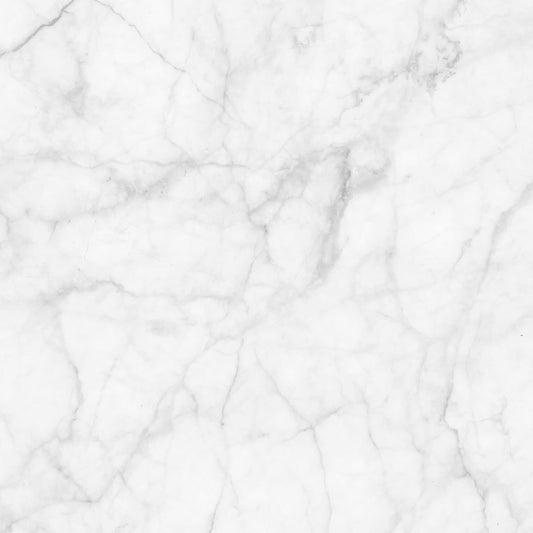

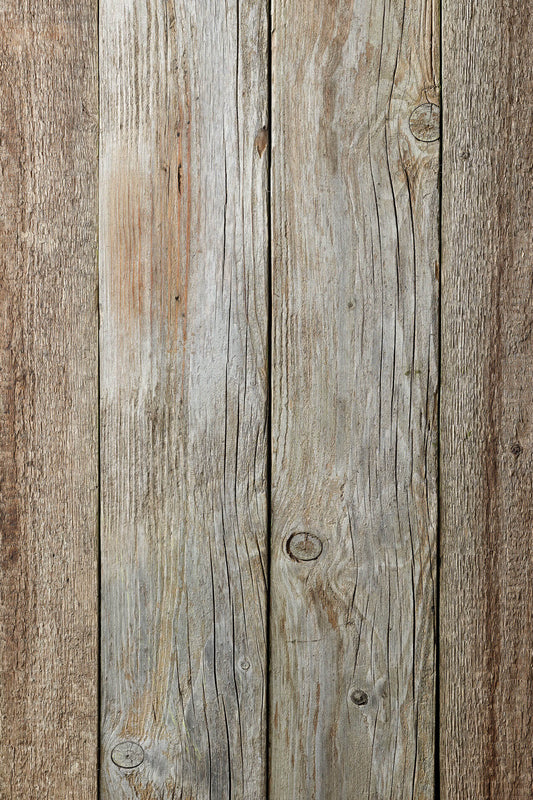



What is ultra-realistic backdrop: the ultimate 2026 guide
Many photographers believe any textured backdrop qualifies as ultra-realistic, but this misconception leads to disappointing results in professional shoots. Ultra-realistic backdrops utilize high-resolution printing and advanced materials to mimic real-world textures and appearances, crucial for professional photography. The difference between a basic backdrop and a truly ultra-realistic one can determine whether your product photos convert browsers into buyers or get scrolled past. This guide clarifies what makes a backdrop genuinely ultra-realistic and how to choose the best options for product, food, and fashion photography that elevate your professional work.
Table of Contents
- What Makes A Backdrop Ultra-Realistic?
- How Ultra-Realistic Backdrops Impact Professional Photography Results
- Choosing The Right Ultra-Realistic Backdrop For Your Photography Niche
- The Role Of Photorealistic AI Prompting In Creating Digital Ultra-Realistic Backdrops
- Explore Instant Ultra-Realistic Backdrops For Your Shoots
- Frequently Asked Questions About Ultra-Realistic Backdrops
Key takeaways
| Point | Details |
|---|---|
| Definition and features | Ultra-realistic backdrops combine 600+ DPI printing with advanced materials to replicate authentic textures like wood grain, stone, and fabric fibers. |
| Material importance | Specialized vinyl, fabric, and composite materials paired with professional-grade inks create depth and color accuracy impossible with standard backdrops. |
| Consumer impact | High-quality backdrops significantly influence purchasing decisions by enhancing product authenticity perception and building consumer trust. |
| Niche selection | Product photography benefits from natural textures, food photography requires neutral palettes, and fashion photography thrives with elegant patterns. |
| AI integration | Photorealistic AI prompting enables creation of custom digital backdrops that complement or replace physical options in hybrid workflows. |
What makes a backdrop ultra-realistic?
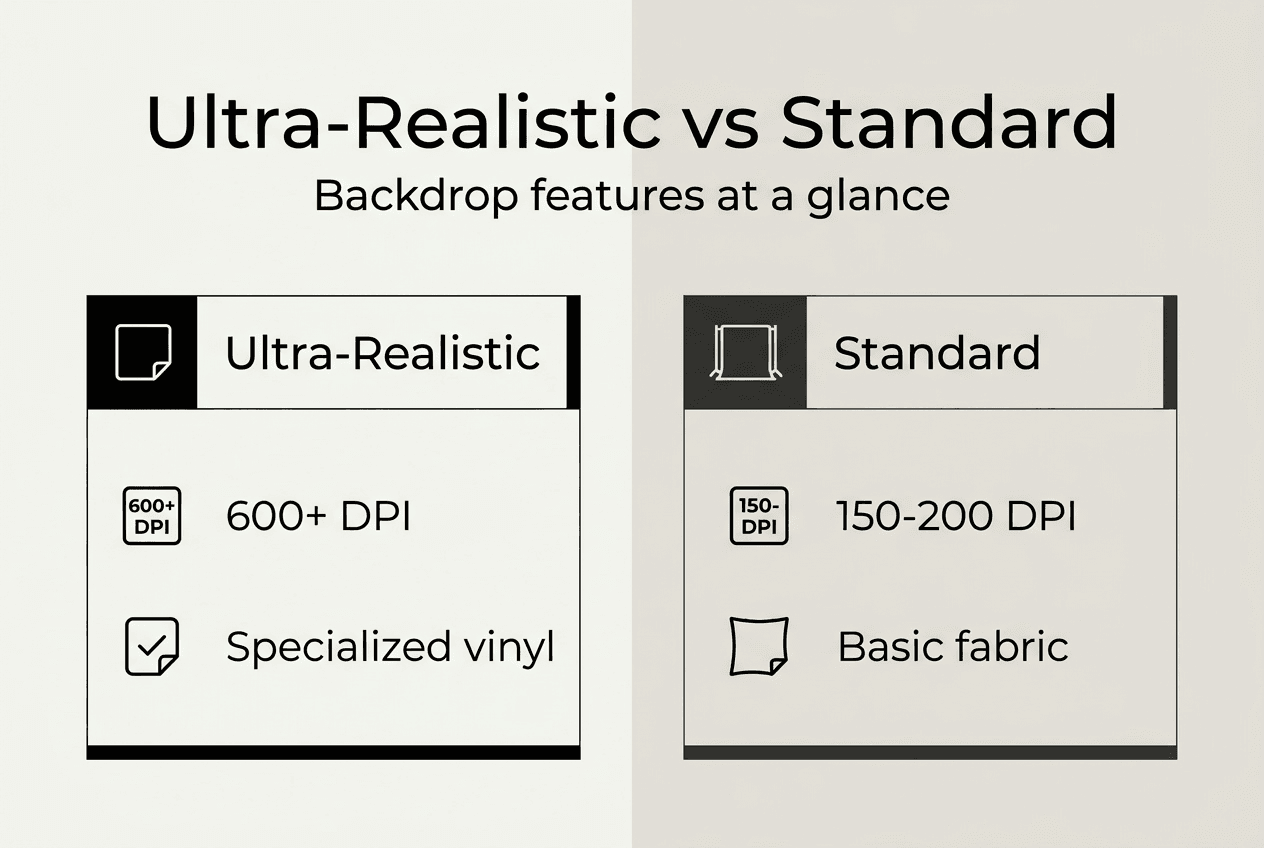
The technical foundation of ultra-realistic backdrops starts with high-resolution printing exceeding 300 DPI, though professional-grade options often reach 600 DPI or higher for capturing fine detail. This resolution threshold ensures that even extreme close-up shots reveal convincing texture rather than pixelated patterns. Standard backdrops typically max out at 150-200 DPI, which looks acceptable from a distance but fails under scrutiny.
Material selection plays an equally critical role in achieving photographic realism. Professional ultra-realistic backdrops utilize specialized materials including premium vinyl, high-thread-count fabric, composite boards, and occasionally 3D-printed or textured surfaces. Each material serves specific photographic needs based on portability, durability, and the type of texture being replicated.
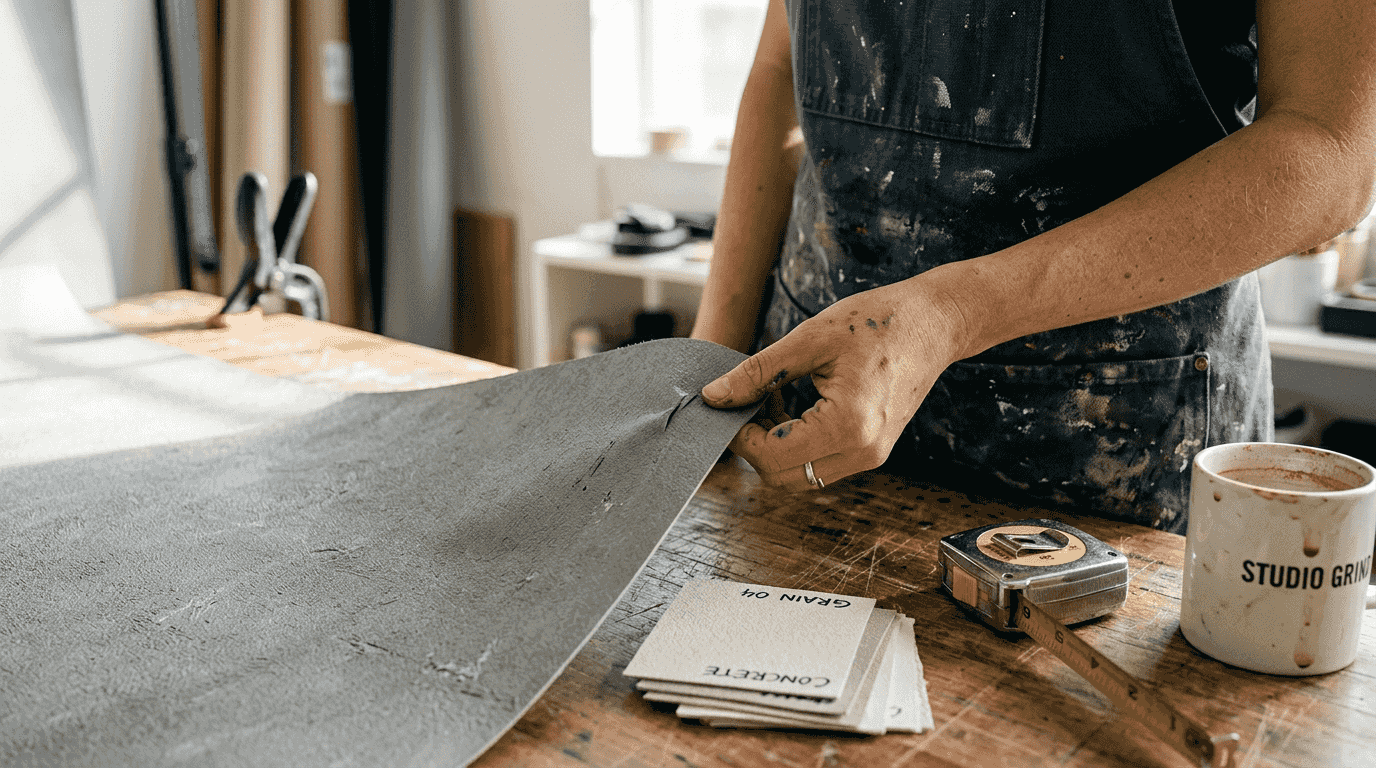
The magic happens when advanced printing technology meets quality materials. Specialized UV-cured inks and latex printing systems deliver color accuracy and depth that standard CMYK printing cannot match. These technologies allow manufacturers to reproduce subtle color variations found in natural materials, creating wood grain that shows authentic knots and weathering, stone surfaces with realistic mineral deposits, and fabric textures that display individual fiber details.
Pro Tip: When evaluating backdrop realism, examine it under your studio lighting at the distance you’ll actually shoot from, not just in ambient light at arm’s length.
Compare these characteristics across backdrop types:
| Feature | Ultra-Realistic Backdrop | Standard Backdrop | | — | — | | Print Resolution | 600+ DPI | 150-200 DPI | | Color Depth | 16-bit or higher | 8-bit | | Texture Replication | Multi-layer with dimensional variation | Flat printed pattern | | Material Quality | Specialized vinyl or premium fabric | Basic polyester or thin vinyl | | Close-Up Performance | Maintains realism at macro distances | Shows pixelation and flatness |
Understanding these technical specifications helps you evaluate manufacturer claims and invest in backdrops that truly deliver professional results. The backdrop materials guide provides detailed comparisons of how different materials perform across various photography scenarios.
Key characteristics that separate ultra-realistic from standard options include:
- Dimensional texture variation that creates authentic light interaction and shadow play
- Color gradients and subtle tonal shifts matching natural material imperfections
- Surface properties that respond realistically to different lighting angles and intensities
- Durability features allowing repeated use without visible wear affecting photographic quality
- Scale accuracy ensuring patterns and textures appear proportionally correct for the represented material
The investment in ultra-realistic backdrops pays dividends when clients cannot distinguish your studio shots from location photography. This level of realism opens creative possibilities while reducing production costs and logistical complexity.
How ultra-realistic backdrops impact professional photography results
Professional backdrops enhance not only photo quality but also consumer trust in ways that directly affect your bottom line. When shoppers view product images online, they make split-second judgments about quality and authenticity based on visual cues that include backdrop credibility. A convincing ultra-realistic backdrop signals professionalism and attention to detail that transfers to product perception.
Research confirms that backdrop choice significantly impacts consumer perception and purchasing decisions. Products photographed against cheap-looking or obviously fake backdrops trigger skepticism about product quality itself. Conversely, ultra-realistic backdrops create context that helps shoppers visualize products in their own spaces, building confidence that accelerates purchase decisions.
The impact varies significantly across photography niches. Food photography demands particular attention to backdrop selection because neutral and desaturated colors make food appear fresh and vibrant. Overly saturated or competing backdrop colors can make even expertly prepared dishes look unappetizing. Ultra-realistic wood tables or stone surfaces add depth and context without stealing focus from the culinary subject.
Fashion photography benefits from ultra-realistic backdrops that establish mood and lifestyle context. A convincing brick wall, elegant marble, or weathered wood backdrop tells a brand story and positions products within specific aesthetic categories. These environmental cues help shoppers imagine themselves wearing the items in real-world settings.
Product photography achieves maximum impact when backdrops complement rather than compete with featured items. Realistic backdrops for product photos create visual harmony that guides viewer attention to product details while providing enough context to suggest quality and use cases. The backdrop becomes an invisible supporting actor rather than a distracting set piece.
Consider these documented effects of backdrop quality on commercial photography:
- Increased time spent viewing product images when backdrops appear authentic and professionally executed
- Higher conversion rates for products photographed against cohesive, realistic backgrounds versus plain white or obviously artificial options
- Reduced product returns attributed to more accurate representation of size, color, and quality through contextual backdrop choices
- Enhanced brand perception and perceived value justifying premium pricing strategies
“The backdrop you choose communicates as much about your brand as the product itself. Ultra-realistic options bridge the gap between sterile product-only shots and expensive lifestyle photography, delivering authenticity at a fraction of location shoot costs.”
Matching backdrop style to products supports cohesive branding across your entire catalog. Consistency in backdrop selection creates visual continuity that strengthens brand recognition and builds customer confidence. When shoppers see the same quality backdrop treatment across multiple products, they perceive a professional operation worthy of their business.
The relationship between backgrounds and sales extends beyond aesthetics to practical considerations like reduced post-production time and increased shooting efficiency. Ultra-realistic backdrops often require minimal editing compared to composited backgrounds or location shoots requiring extensive cleanup.
Choosing the right ultra-realistic backdrop for your photography niche
Selecting the ideal ultra-realistic backdrop requires matching technical specifications to your specific photography niche and brand aesthetic. Follow this systematic approach to make informed decisions that elevate your professional work.
Start by analyzing your subject matter and identifying complementary rather than competing visual elements. For product photography, choose backdrops with textures that enhance without overwhelming product details. Natural materials like wood and stone work universally well because they provide visual interest while maintaining neutral color palettes.
Food photography demands special consideration of color psychology and appetite appeal. Stick with desaturated, warm-toned backdrops that make food appear fresh and inviting. Cool-toned or highly saturated backdrops can make even beautifully prepared dishes look unappetizing. Subtle textures like light wood grain or soft linen work better than bold patterns that distract from culinary presentation.
Fashion photography thrives on backdrops that establish mood and lifestyle context. Elegant patterns, architectural elements, and textured surfaces that suggest specific environments help position products within target demographics. A weathered industrial backdrop tells a different brand story than pristine marble or soft fabric textures.
Pro Tip: Order backdrop samples before committing to large purchases, and test them under your actual studio lighting to verify color accuracy and texture appearance.
Follow these steps for systematic backdrop selection:
- Define your brand aesthetic and identify 3-5 adjectives that describe your desired visual style
- Analyze your best-performing product images to identify common backdrop characteristics
- Consider your target audience demographics and the environmental contexts they find appealing
- Evaluate backdrop durability requirements based on shooting frequency and product types
- Test backdrop options with representative products under your standard lighting setup
- Assess post-production requirements and factor editing time into total cost calculations
Compare recommended backdrop approaches across niches:
| Photography Niche | Recommended Colors | Ideal Textures | Patterns to Avoid |
|---|---|---|---|
| Product | Neutral grays, warm browns, soft whites | Natural wood, smooth stone, subtle fabric | Busy geometrics, high contrast |
| Food | Desaturated earth tones, soft pastels | Light wood grain, linen, soft tile | Bright colors, bold patterns |
| Fashion | Depends on brand, often muted or monochrome | Architectural, fabric, weathered surfaces | Competing textures that distract |
| Jewelry | Clean whites, deep blacks, elegant metallics | Smooth surfaces, subtle marble, silk | Heavy textures that compete |
The principle of matching backdrops to products creates visually appealing shots that blend product-only photos with lifestyle imagery. This synergy helps viewers focus on product features while providing enough environmental context to imagine real-world use.
Visual flow between backdrop and subject enhances realism and appeal. Consider how colors interact, whether textures complement or clash, and if the overall composition guides viewer attention to key product features. The backdrop should feel like a natural environment for your subject rather than an obviously staged set.
Explore food photography backdrop tips for detailed guidance on color selection, texture pairing, and common mistakes to avoid. Similarly, lifestyle photography backdrop ideas offer inspiration for creating authentic environmental contexts.
Dos and don’ts for backdrop selection:
- Do choose backdrops slightly darker than your subject to create natural separation
- Don’t select backdrops with textures so prominent they compete for viewer attention
- Do maintain consistency across your product catalog for cohesive brand presentation
- Don’t assume expensive always means better, evaluate based on your specific technical needs
- Do consider how backdrops will appear across different devices and screen sizes
- Don’t overlook practical factors like cleaning requirements and storage space
The role of photorealistic AI prompting in creating digital ultra-realistic backdrops
Artificial intelligence has revolutionized backdrop creation through photorealistic AI prompting, the practice of writing structured text instructions that guide AI image generation models to produce outputs indistinguishable from reality. This technology enables photographers to generate custom digital backdrops tailored to specific projects without investing in physical inventory.
The quality difference between amateur and professional AI-generated backdrops comes down to prompt engineering expertise. Mastering photorealistic AI prompting is the single biggest factor separating amateur AI images from professionally convincing ones. Specific prompt wording that explicitly calls for realism, includes technical photography terms, and specifies lighting conditions produces vastly superior results.
Current AI image generation tools vary significantly in their photorealistic capabilities. Models like Midjourney, DALL-E 3, and Stable Diffusion can create convincing backdrop images when prompted correctly, though each has strengths and limitations. Specialized tools like NanoBanana PRO excel at generating realistic people, which becomes relevant when creating lifestyle backdrop scenarios.
The market for AI-generated photography assets has grown exponentially as photographers recognize the creative flexibility and cost savings these tools provide. Rather than maintaining extensive physical backdrop collections, professionals can generate custom options for specific projects, then composite products seamlessly using advanced editing techniques.
Key advantages of AI-generated ultra-realistic backdrops include:
- Unlimited customization possibilities matching exact project requirements and brand specifications
- Instant generation of seasonal or trending backdrop styles without procurement delays
- Cost elimination for physical storage, maintenance, and replacement of damaged backdrops
- Ability to create impossible or impractical physical environments like exotic locations or fantasy settings
- Rapid iteration testing multiple backdrop options before committing to final selections
Limitations currently constrain AI backdrop adoption in some professional contexts. Consistency across multiple product shots remains challenging, as generating identical backdrops with slight perspective variations requires advanced prompting skills. Licensing and copyright considerations for commercial use demand careful attention to terms of service for each AI platform.
“AI-generated backdrops represent a powerful complement to physical options rather than a complete replacement. The ideal workflow combines both approaches, using physical backdrops for hero shots and product lines requiring perfect consistency, while leveraging AI for creative variations and testing.”
Integration strategies for hybrid workflows maximize the strengths of both physical and digital backdrops. Shoot core product images against neutral physical backdrops, then composite onto AI-generated environments for lifestyle variations. This approach maintains lighting consistency while expanding creative possibilities.
Explore photography backdrop ideas for pros to see how professionals combine traditional and digital approaches for maximum creative impact. The future likely involves seamless integration where distinguishing physical from AI-generated backdrops becomes impossible and irrelevant.
Best practices for photorealistic AI backdrop generation:
- Include technical photography terms in prompts like “shot on medium format camera,” “shallow depth of field,” or “natural window lighting”
- Specify exact materials and textures rather than generic descriptions
- Reference specific photography styles or famous photographers to guide aesthetic direction
- Request high resolution outputs and upscale for professional print quality
- Generate multiple variations and composite the most convincing elements
- Maintain prompt libraries documenting successful formulas for future reuse
Explore instant ultra-realistic backdrops for your shoots
Now that you understand what separates truly ultra-realistic backdrops from standard options and how to select the right style for your photography niche, it’s time to explore professional-grade solutions designed specifically for product, food, and fashion photography. Instant Backdrops offers an extensive collection of high-resolution vinyl backdrops featuring the realistic textures, color accuracy, and durability that professional photographers demand.
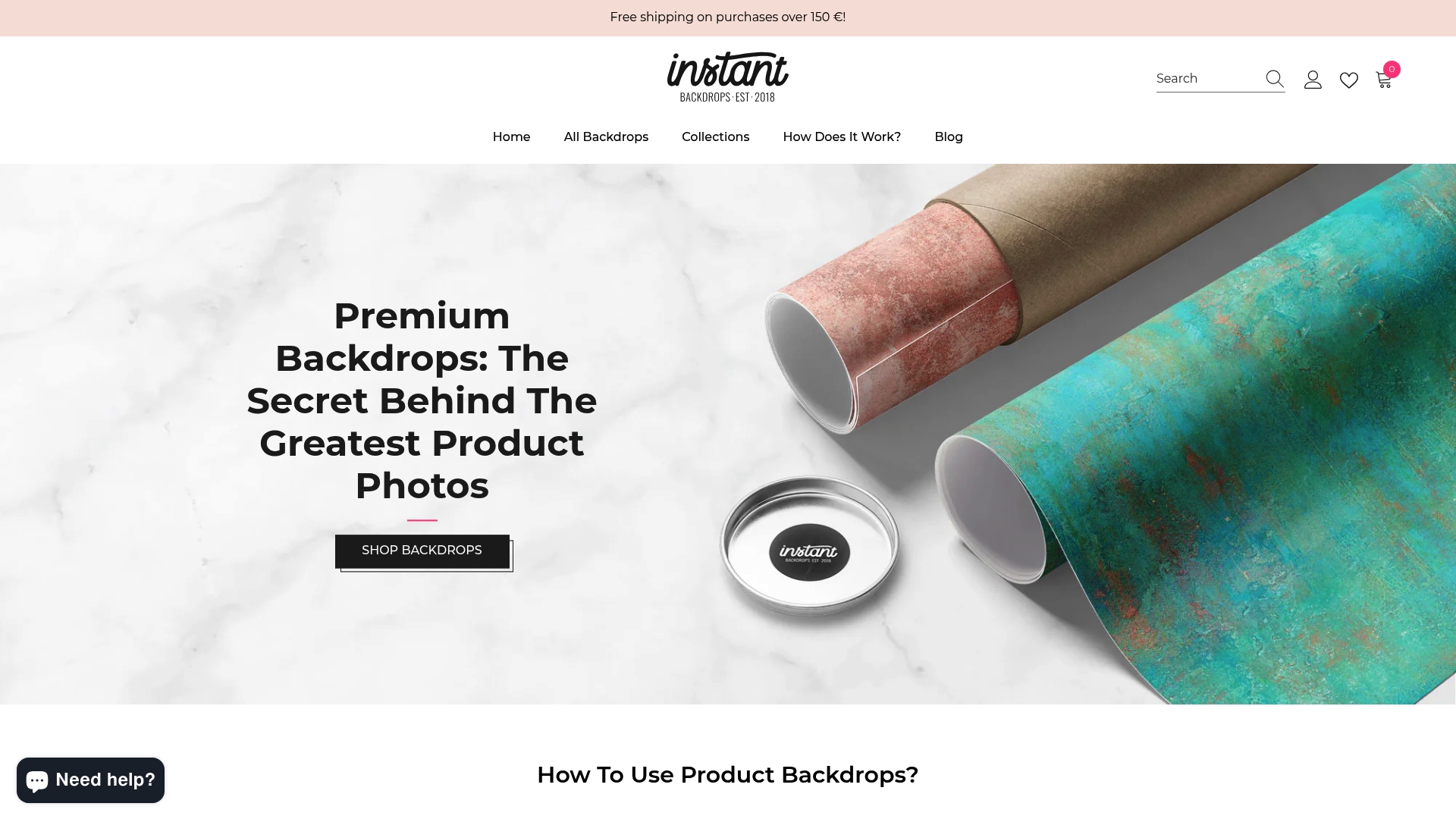
Each backdrop in the collection undergoes rigorous quality control to ensure it meets professional photography standards for resolution, color consistency, and material durability. Whether you need weathered wood for rustic product shots, elegant marble for luxury items, or neutral tones for food photography, you’ll find options that deliver authentic realism under close examination. Browse instant backdrops for product photography to discover versatile solutions that elevate your professional work and streamline your creative workflow.
Frequently asked questions about ultra-realistic backdrops
What’s the difference between ultra-realistic and standard backdrops?
Ultra-realistic backdrops feature 600+ DPI printing resolution, specialized materials, and advanced ink systems that replicate authentic textures with dimensional variation and subtle color gradients. Standard backdrops typically use 150-200 DPI printing on basic materials, resulting in flat appearances that fail under close examination. The quality difference becomes obvious in macro photography and when products are photographed at close range.
How do I care for and maintain ultra-realistic vinyl backdrops?
Clean vinyl backdrops with a damp microfiber cloth and mild soap solution, avoiding harsh chemicals that can damage specialized inks. Roll backdrops loosely with the printed side out to prevent creasing, and store them vertically in a cool, dry location away from direct sunlight. For stubborn stains on spill-proof vinyl, use isopropyl alcohol sparingly on a soft cloth, testing first in an inconspicuous area.
How do I determine the appropriate resolution for backdrop printing?
Calculate based on your typical shooting distance and final output size. For product photography shot at 3-5 feet, 600 DPI ensures crisp detail even in extreme crops. Macro photography or jewelry shots benefit from 800+ DPI to maintain realism at high magnification. Consider your largest anticipated print size and work backward, ensuring source resolution exceeds output requirements by at least 1.5x.
Can AI-generated backdrops fully replace physical ones?
AI-generated backdrops excel for creative variations and testing but currently struggle with consistency across multiple product shots in a series. Physical backdrops remain superior for product lines requiring identical backgrounds and situations where lighting consistency is critical. The optimal approach combines both, using physical backdrops for core photography and AI generation for lifestyle variations and creative exploration.
What are the best backdrop materials for creating outdoor-style shoots indoors?
High-quality vinyl with textured printing works best for replicating outdoor environments like weathered wood, stone walls, or natural landscapes. Fabric backdrops with sublimation printing can create convincing sky or foliage backgrounds when properly lit. For three-dimensional outdoor effects, consider composite boards or foam-core panels with realistic surface textures that interact authentically with studio lighting to create natural shadows and highlights.