




12 backdrop styling ideas to elevate your photography
Professional photographers face a constant challenge: how do you select and style backdrops that transform ordinary shots into compelling visual stories? The right backdrop doesn’t just fill negative space. It shapes brand perception, drives engagement, and converts viewers into customers. This guide delivers 12 expert-backed backdrop styling ideas with a practical criteria framework to elevate your photography and content creation in 2026.
Table of Contents
- Backdrop Selection Criteria: Foundations For Successful Styling
- Manipulating Light And Aperture For Versatile Backdrop Effects
- Creative Backdrop Styling Ideas To Enhance Product And Content Photography
- Comparing Backdrop Styling Methods: Pros, Cons, And Best Use Cases
- Explore Instant Backdrops For Professional Photography
Key takeaways
| Point | Details |
|---|---|
| Backdrop styling transforms engagement | Strategic backdrop use significantly influences visual storytelling and product presentation, directly impacting viewer engagement and brand perception. |
| Lighting and aperture create versatility | Manipulating light direction and aperture settings can produce three distinct looks from a single backdrop without purchasing additional gear. |
| Color and texture drive conversion | Complementary backdrop colors and varied textures improve product appeal, enhancing credibility and conversion rates across eCommerce and social platforms. |
| Material quality prevents technical issues | High-quality opaque backdrops eliminate light leakage and maintain texture purity, reducing post-processing time and costly product misrepresentation. |
Backdrop selection criteria: foundations for successful styling
Choosing the right backdrop starts with understanding core principles that guide every professional decision. Strategic backdrop use significantly influences visual storytelling and product presentation, directly impacting viewer engagement and brand perception. Getting this foundation right means your styling choices will amplify your message instead of diluting it.
The underlying mechanics involve understanding color theory, composition principles, and the interplay of light and shadow to create depth and visual interest. Color relationships determine whether your product pops or disappears. Warm backdrops advance visually while cool tones recede, creating natural depth without complex lighting setups.
Material quality matters more than photographers realize. Opaque, high-density materials prevent light bleed-through that creates uneven tonality and ruins clean product shots. Texture retention under close-up photography separates amateur from professional results, especially for macro work and detailed product photography.
Complementary color selection connects directly to brand identity and product positioning. Neutral backdrops provide maximum post-processing flexibility, but strategic color choices can reinforce brand recognition and emotional responses. Understanding the role of backgrounds in photography helps you make decisions that support both immediate visual impact and long-term brand consistency.
Consider these essential selection criteria:
- Color harmony with your subject and brand palette
- Material opacity to prevent unwanted light transmission
- Surface texture that complements your photography genre
- Size appropriate for your shooting distance and frame composition
- Durability for repeated use and easy maintenance
The backdrop role in product photography extends beyond simple background filling. It establishes context, suggests lifestyle integration, and guides viewer attention precisely where you want it.
Pro Tip: Start with neutral gray or beige backdrops for maximum versatility. You can manipulate their appearance dramatically through lighting and white balance adjustments, getting multiple looks from one investment.
Manipulating light and aperture for versatile backdrop effects
Once you’ve selected quality backdrops, mastering technical controls unlocks their full potential. The same backdrop can deliver three completely different visual moods through strategic lighting and aperture adjustments. This versatility saves money and expands creative possibilities without cluttering your studio.
Manipulating aperture controls depth of field, enabling distinct looks with a single backdrop. Narrow apertures around f/8 render backdrop texture sharply, emphasizing material details and creating visual richness. Wide apertures near f/2 blur the backdrop into soft, creamy bokeh that isolates your subject dramatically.
Light direction and intensity transform backdrop appearance even more dramatically than aperture. Focused light creates dramatic effects by controlling light fall-off. Position a hard key light close to your subject, and the rapid light decay creates naturally dark backgrounds without black backdrops or extensive post-processing.
Here’s a practical workflow for achieving three distinct looks with one backdrop:
- Sharp texture emphasis: Set aperture to f/8, use broad even lighting across both subject and backdrop, position subject at least three feet from backdrop to prevent harsh shadow projection.
- Soft bokeh isolation: Open aperture to f/1.8 or f/2, increase subject-to-backdrop distance to six feet or more, focus precisely on subject while backdrop melts into smooth gradients.
- Dramatic silhouette effect: Position hard directional key light 45 degrees to subject, move light source close to subject for rapid fall-off, adjust power to underexpose backdrop by two stops while properly exposing subject.
White balance manipulation adds another dimension. Setting your camera’s white balance opposite to your background light color temperature creates color wash effects that transform neutral backdrops into vibrant hues. A tungsten white balance setting with daylight-balanced background lights shifts the backdrop toward cool blues.
Distance between subject and backdrop controls shadow intensity and backdrop visibility. Closer placement creates defined shadows that add dimension but can distract. Greater separation softens or eliminates backdrop shadows entirely, creating cleaner commercial looks.
Pro Tip: When using focused lighting for dark backgrounds, position your subject precisely to minimize harsh shadows on the backdrop. Small position adjustments of six inches can dramatically change shadow quality and backdrop appearance. Explore essential backdrop ideas for pros to maximize these technical approaches.
Creative backdrop styling ideas to enhance product and content photography
Applying technical knowledge to creative execution separates competent photographers from exceptional visual storytellers. These five styling ideas combine aesthetic impact with practical implementation, giving you immediate techniques to elevate your work.
Color wash backdrops transform neutral backgrounds through strategic lighting and white balance manipulation. Color washes are achieved by manipulating White Balance against a secondary light source. Set a warm gel on your background light, adjust camera white balance to daylight, and watch neutral gray shift to rich amber tones. Reverse the relationship with cool gels for cyan or blue washes.
High-key white backgrounds deliver the clean, professional aesthetic that drives eCommerce conversions. High-key photography relies on bright, even lighting to minimize shadows while maintaining dimension, often used for commercial work and product campaigns. Position two softboxes at 45-degree angles behind your subject, slightly overexpose the backdrop, and use a subtle fill light to prevent harsh subject shadows.
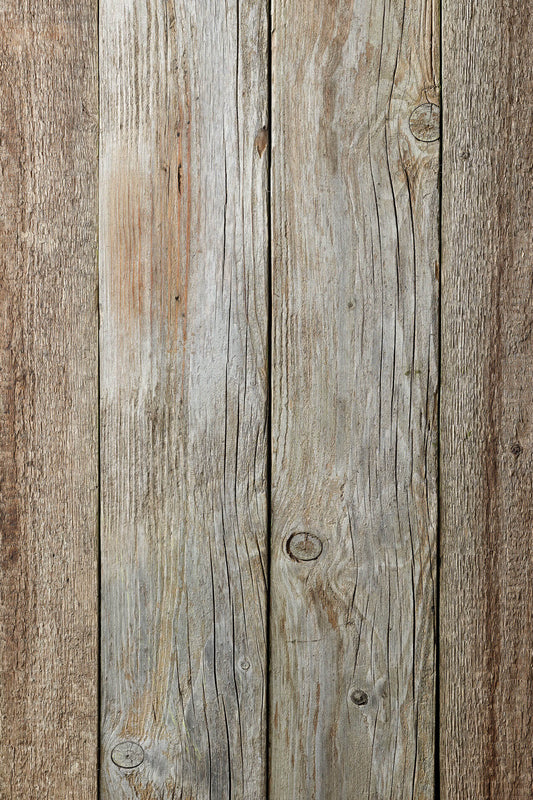
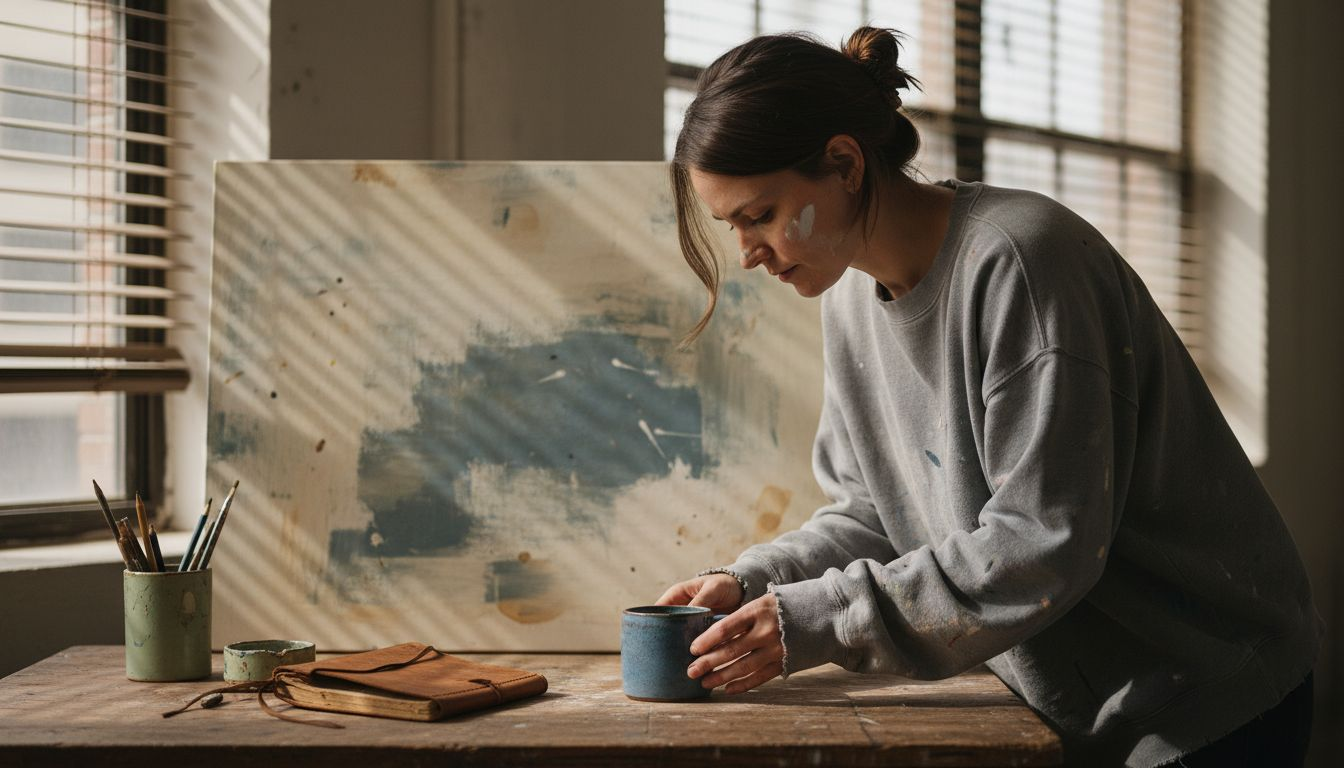
Textured fabric or painted backdrops emphasize tactile qualities that connect emotionally with viewers. Canvas with visible weave, distressed wood grain, or hand-painted abstract patterns add depth without overwhelming products. These work exceptionally well for artisanal products, handmade goods, or brands emphasizing craftsmanship and authenticity.
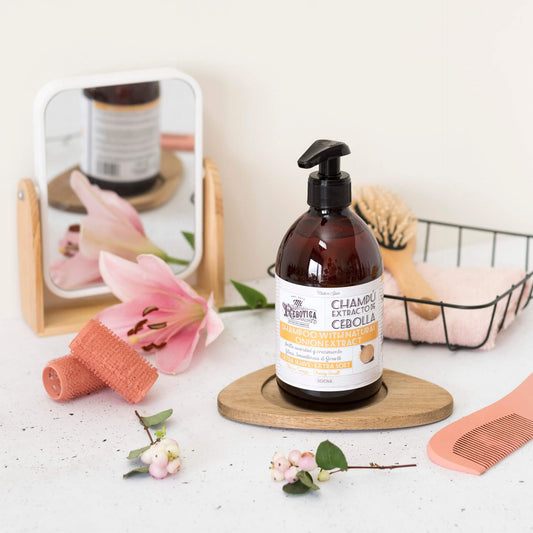
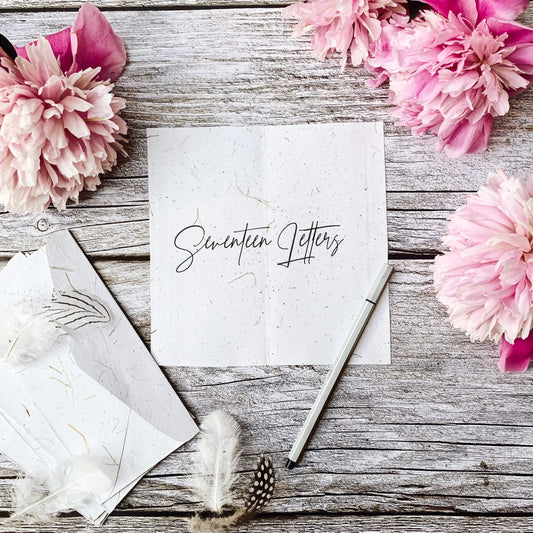
Mixed material layering creates lifestyle storytelling that positions products in relatable contexts. Combine wood planks with fabric runners, add metal accents or stone elements, and layer textures that suggest real environments. This approach works beautifully for food photography, lifestyle products, and social media content that needs to feel authentic rather than studio-produced.
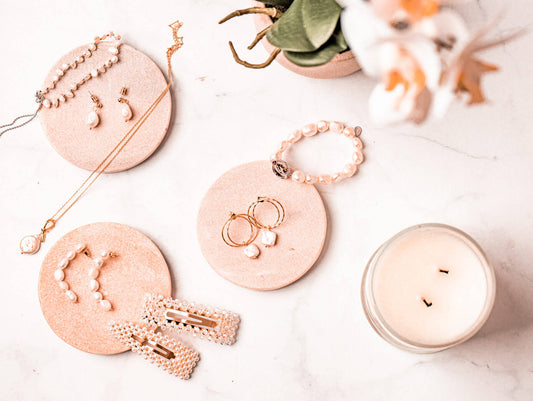
Minimalist geometric shapes and negative space focus attention precisely where you want it. Use bold color blocks, clean lines, or strategic negative space to create visual breathing room. This styling approach supports modern brands, tech products, and any offering that benefits from contemporary, uncluttered presentation.
Here’s how these ideas compare across practical dimensions:
| Styling Idea | Equipment Needed | Visual Style | Best Use Cases |
|---|---|---|---|
| Color wash backdrops | Gels, secondary light, neutral backdrop | Dynamic, colorful, modern | Social media, creative campaigns, fashion |
| High-key white | Multiple softboxes, white backdrop | Clean, commercial, minimal | eCommerce, product catalogs, professional services |
| Textured fabric/painted | Specialized backdrops, directional lighting | Artisanal, warm, authentic | Handmade goods, food, lifestyle brands |
| Mixed materials | Multiple surfaces, props, styling tools | Contextual, lifestyle, relatable | Editorial, social content, storytelling |
| Minimalist geometric | Solid color backdrops, precise positioning | Contemporary, bold, focused | Tech products, modern brands, luxury goods |
Implementing these ideas doesn’t require massive budgets or studio overhauls. Start with one approach that aligns with your primary photography genre, master the technique, then expand your repertoire. Understanding backdrops for ecommerce sellers helps you prioritize which styling ideas will deliver the fastest return on investment for your specific needs.
Comparing backdrop styling methods: pros, cons, and best use cases
Every styling method carries distinct advantages and limitations. Understanding these tradeoffs helps you choose approaches that align with your workflow, budget, and creative goals. Choosing a backdrop that complements the product can create a more visually appealing shot that blends product-only photos with lifestyle imagery.
| Method | Pros | Cons | Ideal Scenarios |
|---|---|---|---|
| Color wash technique | Infinite color options from one backdrop, no physical backdrop changes, fast mood shifts | Requires understanding of color theory and white balance, inconsistent results without practice | Social media content batches, creative campaigns needing color variety, photographers shooting multiple brands |
| High-key white | Universal appeal, maximum product visibility, excellent for marketplaces requiring white backgrounds | Requires powerful lighting, shows every imperfection, can appear sterile without careful execution | Amazon listings, product catalogs, professional service websites, medical or scientific products |
| Textured materials | Adds depth and interest, suggests quality and craftsmanship, differentiates from competitors | Can overpower delicate products, harder to maintain consistency, requires careful lighting to avoid harsh shadows | Artisanal goods, premium products, food photography, brands emphasizing handmade or natural qualities |
| Mixed material layers | Creates storytelling context, increases engagement on social platforms, suggests lifestyle integration | Time-intensive setup, requires prop inventory and styling skills, harder to maintain brand consistency | Editorial content, social media storytelling, lifestyle brands, products benefiting from contextual presentation |
| Minimalist geometric | Contemporary aesthetic, focuses attention, fast setup and teardown | Limited versatility, can feel cold or impersonal, requires precise composition skills | Tech products, luxury goods, modern consumer brands, minimalist brand identities |
Consider these recommendations based on your primary photography focus:
- eCommerce sellers: Prioritize high-key white for marketplace compliance and color wash techniques for branded website content that stands out.
- Social media creators: Invest in mixed material layers and textured backdrops that create thumb-stopping visual interest in crowded feeds.
- Editorial photographers: Combine minimalist geometric approaches with mixed materials to balance clean commercial appeal with storytelling depth.
- Product photographers serving multiple clients: Master color wash and high-key techniques for maximum versatility without inventory bloat.
Each method supports different aspects of visual storytelling and brand perception. High-key approaches emphasize product features and technical specifications. Textured and layered methods connect emotionally and suggest lifestyle context. Minimalist styling communicates contemporary values and premium positioning.
The most successful photographers develop fluency across multiple styling methods, selecting approaches based on specific project requirements rather than defaulting to familiar techniques. Exploring various product photography background types expands your creative toolkit and competitive positioning in an increasingly visual marketplace.
Explore instant backdrops for professional photography
Elevating your photography through expert backdrop styling requires both knowledge and quality materials. Instant Backdrops offers a curated collection designed specifically for professional product photography, supporting every styling technique discussed in this guide. The versatile selection integrates seamlessly into existing studio setups while providing the material quality that prevents light leakage and maintains texture under close examination.
Whether you’re implementing high-key white backgrounds for eCommerce, experimenting with textured surfaces for lifestyle content, or exploring mixed material layering for editorial work, quality backdrops form the foundation of exceptional results. Professional-grade materials reduce post-processing time, improve brand consistency, and boost conversion rates by presenting products in their best light. Browse the complete collection at Instant Backdrops to find backdrop solutions that transform your creative vision into compelling visual stories.
FAQ
What are the best backdrop materials for product photography?
Opaque, high-quality materials prevent light leakage and maintain texture purity for professional photos. Muslin offers portability and wrinkle resistance, canvas provides durable texture, and vinyl delivers easy maintenance with realistic printed surfaces that withstand spills and repeated use.
How can I create color wash effects on backdrops?
Use secondary background lights set to contrasting color temperatures from the camera’s white balance. Adjust background light warmer or cooler to change backdrop color tonality effectively. A tungsten white balance with daylight background lights shifts neutral backdrops toward cool blues, while the reverse creates warm amber tones.
What aperture setting works best for backdrop texture control?
Narrow apertures around f/8 sharpen backdrop texture and render material details clearly. Wide apertures around f/2 blur and soften the backdrop visually, creating smooth bokeh that isolates subjects dramatically. Choose based on desired separation between subject and background and how much backdrop detail supports your visual story.
Why is quality lighting crucial for product photography backdrops?
Proper lighting reduces product misrepresentation by 40%. It also saves editing time and enhances buyer confidence by accurately representing colors, textures, and dimensions. Quality lighting transforms backdrops from simple backgrounds into active storytelling elements that guide viewer attention and reinforce brand perception.
How does backdrop choice affect eCommerce conversion rates?
Backdrop selection directly influences product presentation quality, which drives purchase decisions in online shopping environments. Clean, professional backgrounds increase perceived product value and brand credibility. Consistent backdrop styling across product lines improves brand recognition and creates cohesive shopping experiences that reduce buyer hesitation and cart abandonment.
Recommended
- 7 Essential Examples of Backdrop Styles for Photographers – Instant Backdrops
- 7 Smart Lifestyle Photography Backdrop Ideas for Creators – Instant Backdrops
- 7 Essential Photography Backdrop Tips for Stunning Shoots – Instant Backdrops
- 7 Creative Examples of Backdrop Setups for Photographers – Instant Backdrops