




Creative backdrop ideas to elevate your photo shoots
TL;DR:
- Choosing the right backdrop enhances mood, framing, and brand storytelling in photography.
- Material, color, size, and purpose guide effective backdrop selection for various shooting needs.
- Using versatile, well-understood backdrops with strategic lighting maximizes creative potential.
Choosing the right backdrop is one of the most underrated decisions in photography. It shapes the mood, frames the product, and tells your brand story before a single caption is written. Yet many photographers, influencers, and e-commerce sellers still default to whatever is cheapest or most available, and the results show. Generic backgrounds flatten great products. Impractical materials slow down shoots. The good news is that a smarter approach to backdrop selection can transform your visual content fast. This guide walks you through proven criteria, material comparisons, color strategies, and set-up techniques to help your images stand out.
Table of Contents
- How to choose backdrops: criteria that matter
- Creative backdrop materials: pros, cons, and use cases
- Color and texture: creative strategies for standout visuals
- Backdrops in action: set-up techniques and troubleshooting
- Our perspective: why creativity starts with versatility
- Discover instant solutions for high-impact backdrops
- Frequently asked questions
Key Takeaways
| Point | Details |
|---|---|
| Match backdrop to goals | Your product, content style, and brand should guide your choice of backdrop material, color, and surface. |
| Versatility beats novelty | Two or three neutral, high-quality backdrops cover most shoots and styles when combined with creative lighting. |
| Technique unlocks creativity | Mastering lighting, subject distance, and camera settings can turn even simple backdrops into standout frames. |
| Know your material | Fabric, vinyl, paper, and canvas each offer unique strengths—choose according to your environment and content needs. |
| Solve with light, not just props | Lighting angles and accessories often fix backdrop issues faster than buying new gear. |
How to choose backdrops: criteria that matter
Every backdrop decision starts with purpose. Before you browse options, ask yourself what the image needs to accomplish. A product shot for an Amazon listing has very different requirements than a lifestyle flat lay for Instagram. Getting this clarity upfront saves money and frustration.
Here are the core criteria to evaluate before buying any backdrop:
- Material and finish: Matte finishes absorb light and reduce unwanted reflections. Glossy or semi-gloss surfaces can add drama but require careful lighting control.
- Color and tone: Neutral colors like white, gray, and taupe are standard for e-commerce clarity, while textured and colored options suit influencers creating lifestyle content with stronger brand aesthetics.
- Durability and maintenance: Think about how often you shoot and whether your set involves food, liquids, or heavy props. Some materials clean in seconds; others stain permanently.
- Portability: If you shoot on location or travel frequently, weight and packability matter as much as visual quality.
- Size: A backdrop that is too small forces awkward crops. Always size up if you shoot full-body fashion or large product arrangements.
For choosing the right backdrop, the most practical starting point is a small, curated set rather than a large, random collection. Seamless paper backdrops provide smooth, clean, non-reflective surfaces ideal for professional product shots and e-commerce, minimizing post-processing time significantly.
You can also explore essential backdrop ideas to see how professionals build their kits strategically. If you are considering event or booth photography, reviewing photo booth backdrop options can offer useful reference points for scale and finish.
Pro Tip: Start with two or three neutral, versatile backdrops. You can cover roughly 90% of use cases with a clean white, a warm gray, and one textured option. Add specialty pieces only when a specific project demands them.
Creative backdrop materials: pros, cons, and use cases
With selection criteria set, let’s examine core backdrop material options and their creative applications side by side.
Each material type brings a distinct visual character and a set of practical trade-offs. Here is a quick breakdown:
- Seamless paper: Low cost, easy to replace, and delivers a clean, smooth finish. Tears and scuffs easily, making it a single-use solution for high-volume studios.
- Fabric (muslin and polyester): Fabric backdrops offer texture, portability, and wrinkle-resistant options suitable for lifestyle shoots, influencers, and travel, with a superior non-reflective matte finish and natural color reproduction under studio lighting.
- Vinyl: Vinyl backdrops are durable, waterproof, and easy to clean, making them ideal for high-traffic, messy shoots like food or cosmetics, though they are prone to glare under direct lights and require diffusion to manage reflections. For more on this, check out vinyl backdrop tips.
- Canvas: Canvas backdrops deliver rich texture and depth for visual storytelling in professional portraits and product presentation, outperforming muslin in light interaction and longevity, though they are heavier and less convenient for transport.
| Material | Strengths | Weaknesses | Best for |
|---|---|---|---|
| Seamless paper | Clean finish, low cost | Tears easily, disposable | E-commerce, product shots |
| Fabric (muslin/polyester) | Portable, matte, versatile | Can wrinkle | Lifestyle, influencer, travel |
| Vinyl | Durable, waterproof, easy-clean | Glare-prone | Food, cosmetics, high-traffic sets |
| Canvas | Textured, rich depth, long-lasting | Heavy, harder to transport | Portraits, premium product work |
If you want to go beyond standard options, creating custom backdrops is a real possibility that many professionals overlook. Custom prints on vinyl or fabric let you match your backdrop precisely to your brand palette. You can also look at choosing marble colors for backdrops for inspiration on surface patterns that photograph beautifully.
Pro Tip: Always test your backdrop for glare and color fidelity under your specific lighting setup before any client shoot. What looks perfect in daylight can shift dramatically under tungsten or LED panels.
Color and texture: creative strategies for standout visuals
Once you’ve selected your material, color and surface take center stage in styling compelling imagery.
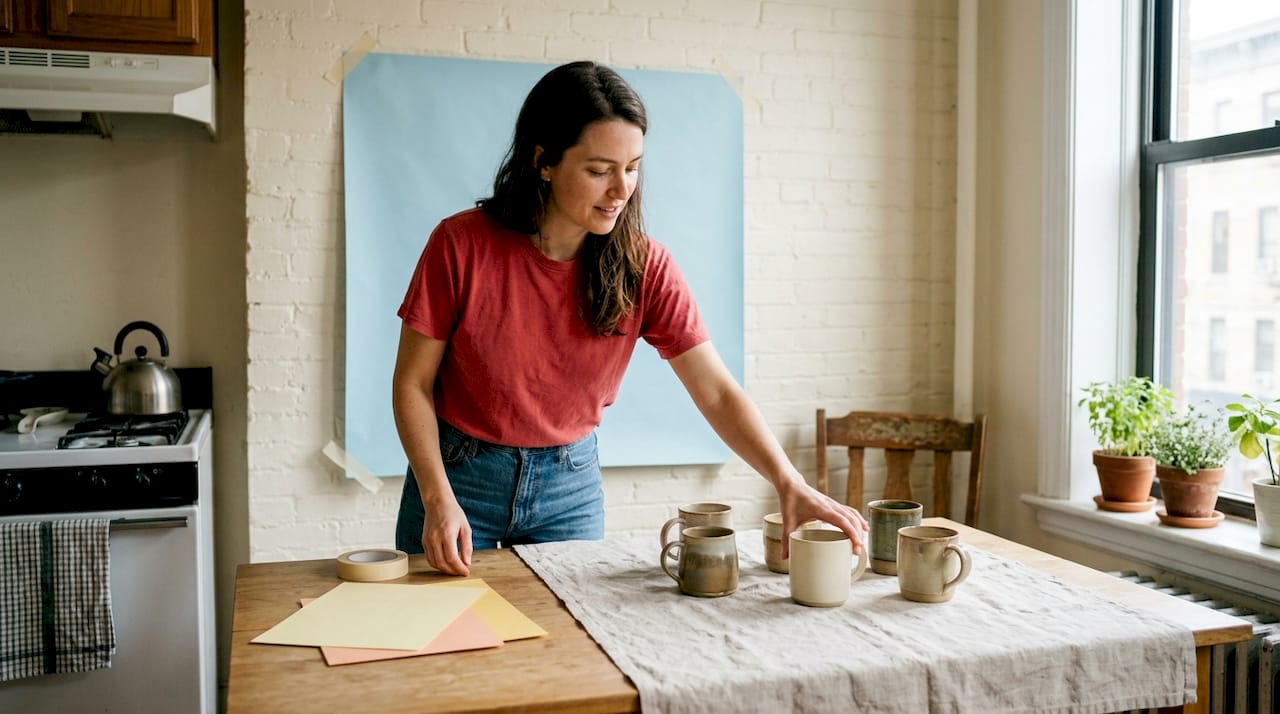
Color is not just a visual preference. It is a communication tool. Neutral tones like white, gray, and taupe deliver the clarity that e-commerce platforms demand, while textured and colored backdrops help influencers build a recognizable visual identity that drives engagement.
| Genre | Recommended color palette | Texture preference |
|---|---|---|
| E-commerce (Amazon, Etsy) | White, light gray, taupe | Minimal or smooth |
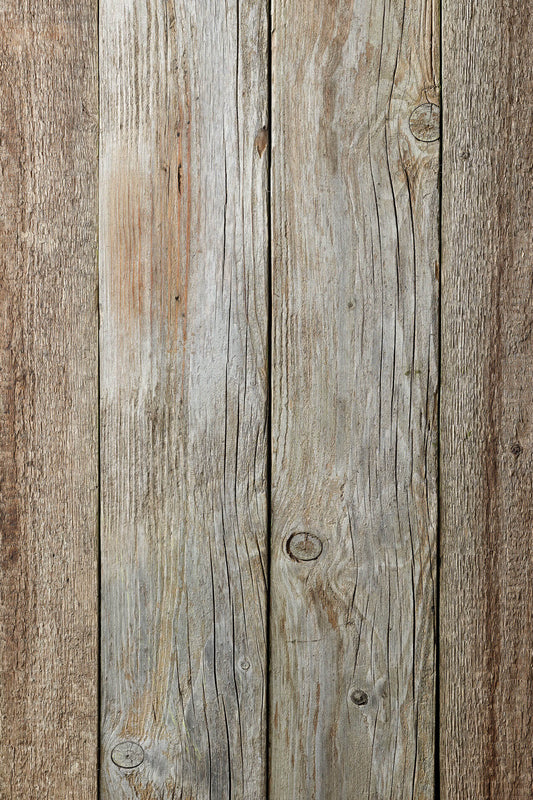
| Food photography | Warm neutrals, slate, charcoal | Wood grain, stone, concrete |
| Jewelry and beauty | Black, blush, cream | Marble, velvet, brushed metal |
| Lifestyle and fashion | Bold accent colors, earth tones | Fabric weaves, painted canvas |
| Social media flat lays | Seasonal palettes, pastels | Mixed textures, layered props |
Current texture and color trends worth exploring:
- Aged concrete and raw plaster looks for editorial and beauty brands
- Warm terracotta and clay tones for organic food and wellness products
- Deep forest green and navy for luxury product and jewelry shots
- Subtle linen and woven fabric textures for handmade and artisan brands
- Marble and stone surfaces for cosmetics, skincare, and high-end accessories
“A single backdrop used at different angles, with varied lighting directions and simple prop swaps, can produce a week’s worth of distinct content. Versatility is the real creative skill.”
Explore lifestyle backdrop ideas to see how color and texture work together in real shoot scenarios. For more structured approaches, themed backdrop strategies offer a framework for building cohesive visual series. If you sell on Amazon, understanding product photography for Amazon can help you align your backdrop choices with platform-specific requirements.
Backdrops in action: set-up techniques and troubleshooting
With colors and textures selected, let’s tackle the real work: bringing your backdrop ideas to life with expert set-up and shooting expertise.
Proper set-up makes the difference between a backdrop that looks professional and one that looks like an afterthought. Positioning your subject 1 to 1.5 meters from the backdrop reduces shadows significantly, and using a 45-degree key light with a separate backlight creates even illumination or controlled gradients depending on your creative intent. Proper subject-to-backdrop distance alone prevents roughly 90% of beginner shadow problems.
Follow these steps for a clean, professional set-up every time:
- Hang or mount the backdrop securely, ensuring no sagging or bunching at the edges.
- Set your subject distance at 1 to 1.5 meters from the backdrop surface.
- Position your key light at a 45-degree angle to the subject for flattering, even coverage.
- Add a backlight or fill light to separate the subject from the background and eliminate flat shadows.
- Check for glare by shooting a test frame and reviewing on a calibrated monitor.
- Adjust aperture based on your intent: vary aperture from f/2 for blur to f/8 for sharp texture, and use gels for color washes or angle changes for variety.
For troubleshooting common problems:
- Vinyl glare: Avoid vinyl glare with diffusion panels or softboxes and reposition lights to reduce sharp reflection angles.
- Fabric wrinkles: Use a handheld steamer before the shoot. Never iron directly on printed fabric.
- Dirty paper: Tear away the soiled section and roll down a fresh surface. Always keep extra length in reserve.
- Floor integration: Use a sweep (a gentle curve from vertical to horizontal) to eliminate the visible seam between backdrop and floor in lifestyle shots.
For specific guidance on controlling vinyl glare and mastering lifestyle shoot backdrop setup, both resources offer detailed, practical solutions.
Pro Tip: If something goes wrong on set, such as a stain or a tear, reframe the shot. Tighten the crop, shift the angle, or move the subject to cover the damage. Problem-solving fast is a skill every working photographer needs.
Our perspective: why creativity starts with versatility
Here is something most backdrop guides won’t tell you: buying more backdrops rarely makes your work more creative. It usually just creates storage problems and decision fatigue.
The photographers and content creators we admire most tend to work with a tight, intentional kit. They know their three or four go-to surfaces inside and out. They understand exactly how each one responds to different light temperatures, how shadows fall across the texture, and which angles make the surface sing. That knowledge is worth far more than a closet full of single-use specialty pieces.
Real creative value comes from learning how to extract maximum variety from foundational, versatile choices. A single warm gray vinyl backdrop, shot with a soft front light, a dramatic side light, and a colored gel, can produce three completely different looks. Add a prop change and a crop variation, and you have content for the entire week.
Our honest advice: invest more effort into lighting and camera technique than into constant backdrop shopping. Learn how large backdrops in professional work expand your creative range without multiplying your kit. Versatility is not a limitation. It is the foundation of a sustainable, high-output creative practice.
Discover instant solutions for high-impact backdrops
Ready to put these creative ideas to work in your next shoot? Here’s how you can take action today.
At Instant Backdrops, we offer a curated selection of professional vinyl backdrops designed for photographers, influencers, and e-commerce sellers who need reliable, beautiful results every time. From marble and wood to stone and decorative wall textures, every backdrop is printed in high resolution, built to resist stains, and sized generously for real-world shoots. Whether you need a ready-to-ship option or want to explore bundle deals for a complete studio kit, browse Instant Backdrops to find the right match for your creative vision. Filters, guides, and curated collections make it easy to experiment with confidence.
Frequently asked questions
What is the most versatile photography backdrop material?
Fabric backdrops, especially muslin or polyester, are preferred for versatility due to their portability, superior light absorption, and non-reflective matte finish that works across studio and location shoots.
How can I avoid glare when using vinyl backdrops?
Use diffusion panels or softboxes to spread light evenly, and avoid placing direct lights at sharp angles to the backdrop surface. Vinyl is prone to glare under direct lighting and responds well to indirect or diffused setups.
Which backdrop colors help boost product sales in e-commerce?
Neutral colors like white, gray, and taupe provide maximum clarity and are the standard choice for e-commerce product photography across major platforms.
What is the optimal distance between subject and backdrop?
Keep your subject about 1 to 1.5 meters from the backdrop to minimize unwanted shadows and achieve even, controlled lighting across the background surface.
Recommended
- 7 Smart Lifestyle Photography Backdrop Ideas for Creators – Instant Backdrops
- Master the role of backdrop in lifestyle shoots – Instant Backdrops
- 7 Essential Examples of Backdrop Styles for Photographers – Instant Backdrops
- 7 Creative Examples of Backdrop Setups for Photographers – Instant Backdrops
- Photo Booth Backdrop Options | RMD Photo Booths