




Photography setup tips for pros: optimize backdrops
Professional photographers know that creating stunning images requires more than just technical camera skills. Your backdrop selection, sizing decisions, and lighting integration directly impact the quality and consistency of your final work. Whether you shoot food, products, fashion, or lifestyle content, understanding how to optimize these elements saves time, reduces post-production headaches, and elevates your portfolio. This guide delivers expert-backed strategies to help you choose the right materials, determine proper sizing for different subjects, and master lighting techniques that bring your creative vision to life efficiently and professionally.
Table of Contents
- Key takeaways
- Backdrop materials: choosing the right fabric for your shoots
- Sizing your backdrop for professional results
- Setup mechanics and lighting integration: pro tips for perfect shots
- Optimize your photography setup with Instant Backdrops
- FAQ
Key Takeaways
| Point | Details |
|---|---|
| Material by shoot type | Fabric and polyester backdrops are favored for portraits and studio work due to their matte finish and light absorption. |
| Vinyl outdoor use | Vinyl backdrops offer weather resistance and easy cleaning for outdoor shoots but can produce reflective hotspots under certain lighting. |
| Canvas long term value | Canvas backdrops deliver the longest lifespan with textured depth that enhances fine art and high end commercial photography. |
| Size affects composition | Backdrop dimensions directly influence composition options, lighting flexibility, and the overall polish of your final images. |
| Matte finish advantage | Prioritizing matte finishes on fabric or canvas reduces glare and speeds up editing workflows. |
Backdrop materials: choosing the right fabric for your shoots
Selecting the right backdrop material determines how your images look, how long your investment lasts, and how much flexibility you have across different shooting environments. Three primary materials dominate professional photography: fabric, vinyl, and canvas, each offering distinct advantages for specific scenarios.
Fabric and polyester backdrops remain the preferred choice for portrait photography because their matte finish absorbs light beautifully without creating unwanted reflections. These materials typically last 3-7 years with proper care, making them cost-effective for high-volume studios. The soft texture photographs exceptionally well, and wrinkles steam out easily before shoots. For photographers building their 2026 backdrop materials guide, fabric options provide versatility across portrait, fashion, and lifestyle work.
Vinyl backdrops offer weather resistance that makes them practical for outdoor sessions and location shoots where environmental factors matter. They clean easily with a damp cloth and resist moisture damage. However, vinyl surfaces can create reflective hotspots under certain lighting conditions, requiring careful light positioning. These backdrops typically last 2-5 years depending on usage frequency and storage practices. While less ideal for controlled studio environments, vinyl excels when you need portable, durable options for varied shooting locations.
Canvas backdrops deliver the longest lifespan exceeding 10 years and provide rich texture that adds depth to fine art photography. The woven surface creates subtle dimension that elevates product and editorial work. Canvas costs more upfront but offers superior durability and a premium look that clients notice. When choosing the right backdrop for professional photography, canvas represents a long-term investment for established studios prioritizing quality.
Research confirms that fabric and canvas perform better in studios while vinyl suits outdoor applications despite its tendency toward glare. Consider these material characteristics when building your backdrop collection:
- Fabric and polyester: matte finish, excellent light absorption, 3-7 year lifespan, ideal for portraits and controlled environments
- Vinyl: weather-resistant, easy cleaning, 2-5 year lifespan, best for outdoor and location work despite reflectivity challenges
- Canvas: textured depth, 10+ year lifespan, premium appearance, perfect for fine art and high-end commercial photography
Pro Tip: Prioritize matte finishes on fabric or canvas backdrops to eliminate glare and reflections that create post-production headaches. The slight cost premium pays dividends in cleaner images and faster editing workflows.
Sizing your backdrop for professional results
Backdrop dimensions directly affect your composition options, lighting flexibility, and the professional polish of your final images. Choosing the wrong size forces awkward cropping, creates visible edges in wider shots, and limits your ability to experiment with different framing during sessions.
Photography subject type determines your minimum size requirements. Headshot work requires 5x8 ft backdrops, providing adequate coverage for tight compositions with minimal waste. Full-body portraits need 8x10 ft dimensions to accommodate standing poses and allow subject movement without stepping off the background. Group portraits and commercial product layouts demand 10x20 ft or larger backdrops to ensure seamless coverage across the entire frame. Understanding large backdrop sizing photography principles helps you invest in the right dimensions from the start.
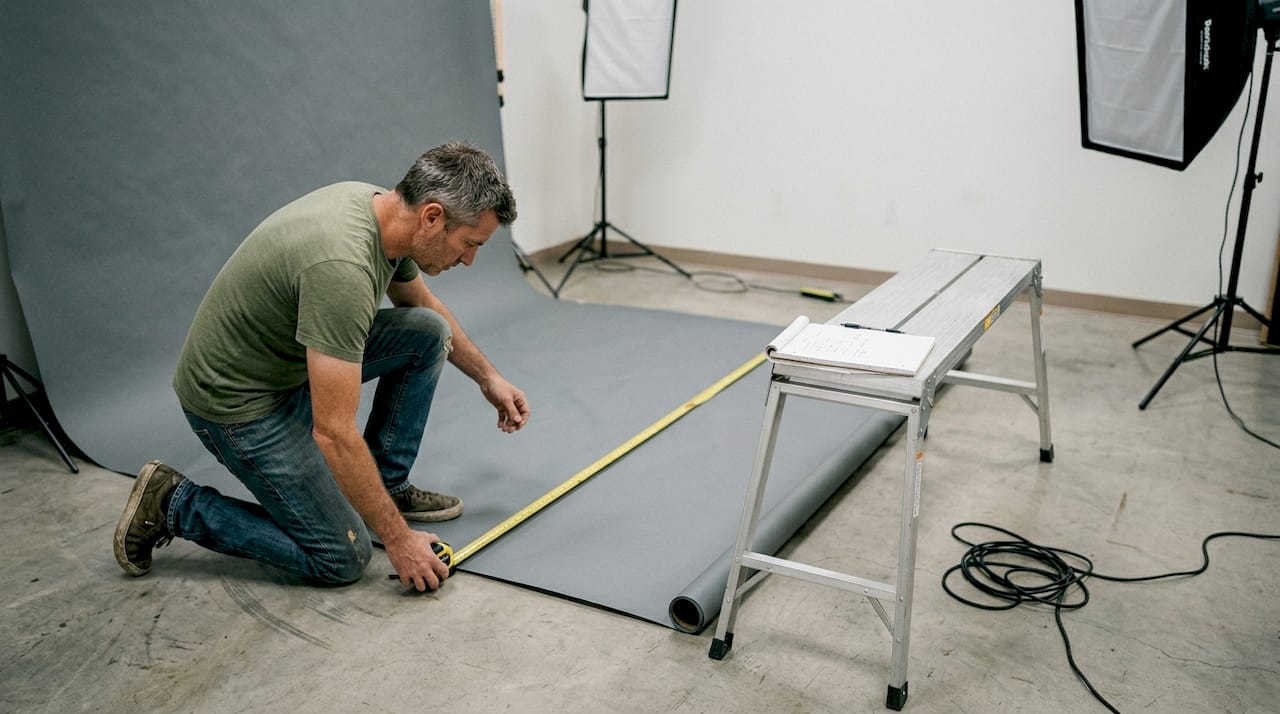
Ceiling height plays a crucial role in backdrop functionality and lighting placement. Studios with 10-12 ft ceilings provide ideal conditions for proper backdrop mounting and overhead lighting positioning. Lower ceilings restrict your ability to create floor sweeps and limit vertical shooting angles. When evaluating studio spaces, factor ceiling height into your backdrop size decisions to ensure compatibility with your shooting style.
Creating a seamless floor sweep transforms good images into polished, professional work. Roll your backdrop down the wall and across the floor in a gentle curve rather than a sharp angle. This technique eliminates the distracting wall-floor junction line and creates the infinity effect that makes subjects appear to float in space. Secure the floor portion with weights or tape to prevent shifting during sessions.
Use this sizing reference table to match backdrop dimensions with your photography needs:
| Photography Type | Recommended Size | Coverage Area | Best For |
|---|---|---|---|
| Headshots | 5x8 ft | Shoulders and above | Individual portraits, LinkedIn photos |
| Full Body | 8x10 ft | Standing single subject | Fashion, fitness, editorial |
| Small Groups | 10x12 ft | 2-4 people | Family portraits, small teams |
| Large Groups | 10x20 ft+ | 5+ people | Corporate groups, event photography |
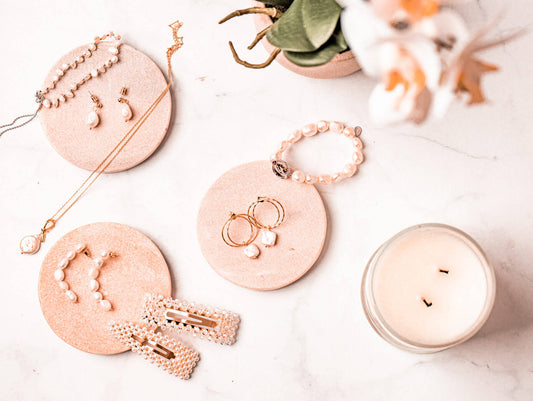
| Product Flatlays | 4x6 ft minimum | Tabletop setups | Food, jewelry, small products |
Consider these practical sizing factors when planning your backdrop purchases:
- Match backdrop width to your widest anticipated shot plus 2 ft buffer on each side
- Account for floor sweep length by adding 4-6 ft to your wall height measurement
- Invest in multiple sizes rather than one oversized backdrop for all situations
- Store larger backdrops on roller systems to prevent creasing and simplify setup
Understanding why backdrop size matters for professional photography helps you avoid the common mistake of buying too small and limiting your creative options. Size up when uncertain, as excess backdrop never hurts your shots while insufficient coverage ruins otherwise perfect images.
Setup mechanics and lighting integration: pro tips for perfect shots
Even the highest quality backdrop fails to deliver professional results without proper setup mechanics and strategic lighting integration. Your mounting method, stability measures, and light positioning directly impact image quality, workflow efficiency, and client satisfaction.
Stability forms the foundation of reliable backdrop performance. Use sandbags weighing 15-25 pounds on each stand leg to prevent tipping during sessions. Heavy-duty clamps secure backdrop material to crossbars and prevent sagging or shifting mid-shoot. Wrinkles destroy the seamless look clients expect, so steam fabric backdrops before each session or invest in wrinkle-resistant materials. These simple stability measures prevent frustrating interruptions and maintain professional appearance throughout long shooting days.
Permanent mounting systems revolutionize studio efficiency for photographers shooting multiple sessions weekly. Wall-mounted or ceiling roller systems save 2-3 hours per week compared to portable stand setups. The time savings compound over months, allowing you to book more sessions or invest extra time in creative direction. While permanent systems require upfront installation investment, the productivity gains justify the cost for established studios with consistent shooting schedules.
Permanent systems can save professional studios up to 3 hours weekly, boosting productivity.
Subject positioning relative to your backdrop controls shadow quality and background separation. Maintain 1-2 meters distance between subject and backdrop to minimize shadow projection and prevent light spill from your key light contaminating the background. This separation gives you independent control over subject lighting and background tone. Test shots at different distances help you identify the optimal spacing for your specific lighting setup and desired look.
Lighting technique separates amateur setups from professional studios. Follow these proven positioning strategies:
- Position your key light at a 45-degree angle to your subject for dimensional modeling and natural shadow falloff
- Place a dedicated background light 1-2 stops brighter than your key light when shooting for pure white backgrounds
- Use flags or blockers between your key light and backdrop to prevent unwanted spill that muddies background tone
- Diffuse background lights through scrims or softboxes to create even illumination without hotspots
- Adjust your subject-to-backdrop distance based on desired background tone, moving closer for darker backgrounds and farther for lighter ones
These lighting principles apply across portrait, product, and commercial photography scenarios. Explore essential backdrop ideas to see how professionals integrate these techniques across different visual styles.
Pro Tip: When working with reflective vinyl backdrops, diffuse your background lights and position flags at 45-degree angles to the backdrop surface. This setup reduces glare while maintaining even illumination across the background.
Mastering setup mechanics and lighting integration transforms your technical capabilities and expands your creative options. Clients notice the difference between haphazard setups and thoughtfully engineered lighting systems. Invest time learning these principles, and your work quality will reflect that commitment. For lifestyle photography specifically, review smart lifestyle photography backdrop ideas to see these concepts applied to real-world scenarios.
Optimize your photography setup with Instant Backdrops
Applying these professional setup strategies requires backdrops that match your quality standards and shooting demands. Instant Backdrops specializes in ultra-realistic vinyl and fabric options designed specifically for professional photographers who need durability, versatility, and stunning visual results across food, product, fashion, and lifestyle photography.
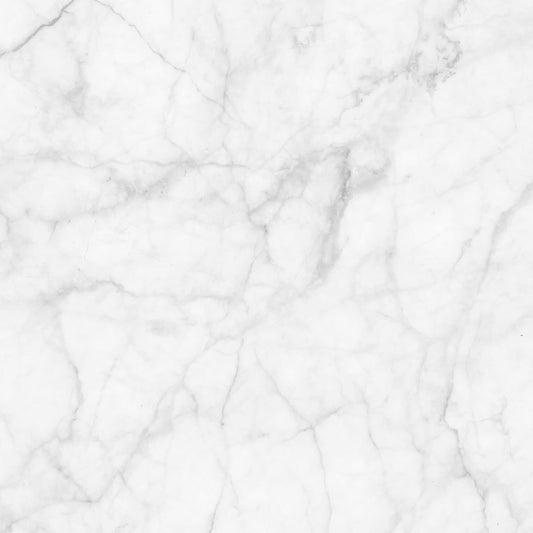
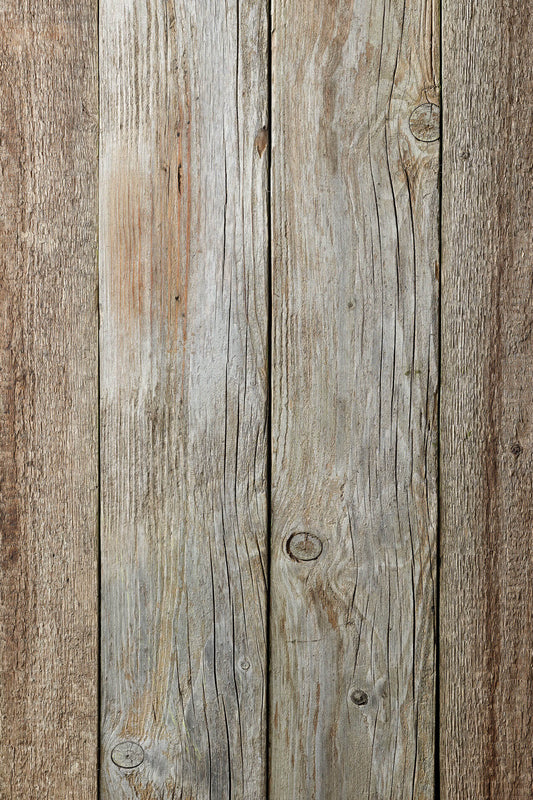
Their product range includes high-resolution prints in marble, wood, stone, and decorative wall patterns that photograph beautifully under professional lighting. The spill-proof, stain-resistant materials withstand the rigors of commercial shooting environments while maintaining their appearance through hundreds of sessions. Large sizing options ensure you have adequate coverage for group portraits and expansive product layouts. Whether you need portable solutions for location work or permanent studio backdrops, their curated collections help you build a versatile backdrop library that supports diverse client projects and creative visions.
FAQ
What is the best backdrop material for studio portraits?
Fabric and polyester backdrops work best for studio portraits because their matte finish prevents glare and photographs beautifully under controlled lighting. These materials last 3-7 years with proper care and steam out easily before sessions. Canvas offers premium texture and durability exceeding 10 years for fine art portrait work.
How far should the subject be from the backdrop?
Maintain 1-2 meters distance between your subject and backdrop to minimize shadow projection and control light spill. This separation allows independent lighting control for subject and background. Test different distances with your specific lighting setup to find the optimal spacing for your desired look.
What backdrop size do I need for group portraits?
Group portraits require 10x20 ft or larger backdrops to ensure full coverage without visible edges in your frame. Larger groups or wider compositions may need even bigger dimensions. Always add 2 ft buffer width beyond your widest anticipated framing to accommodate composition flexibility during sessions.
How do I prevent glare on vinyl backdrops?
Diffuse your background lights through softboxes or scrims and position flags between your key light and backdrop to block spill. Adjust lighting angles to create softer highlights rather than direct reflections on the vinyl surface. Maintaining proper subject-to-backdrop distance also reduces the chance of key light contaminating the background with unwanted glare.
How often should I replace photography backdrops?
Replacement timing depends on material type and usage frequency. Fabric backdrops last 3-7 years, vinyl 2-5 years, and canvas 10+ years with proper care and storage. Replace backdrops when you notice permanent staining, tears, or fading that affects image quality. Regular cleaning and proper rolling storage extends lifespan significantly.
Recommended
- 7 Essential Photography Backdrop Tips for Stunning Shoots – Instant Backdrops
- Food Photography Background Tips for Stunning Visuals – Instant Backdrops
- Photography Setup Essentials: Elevating Product Shots – Instant Backdrops
- 7 Smart Lifestyle Photography Backdrop Ideas for Creators – Instant Backdrops